





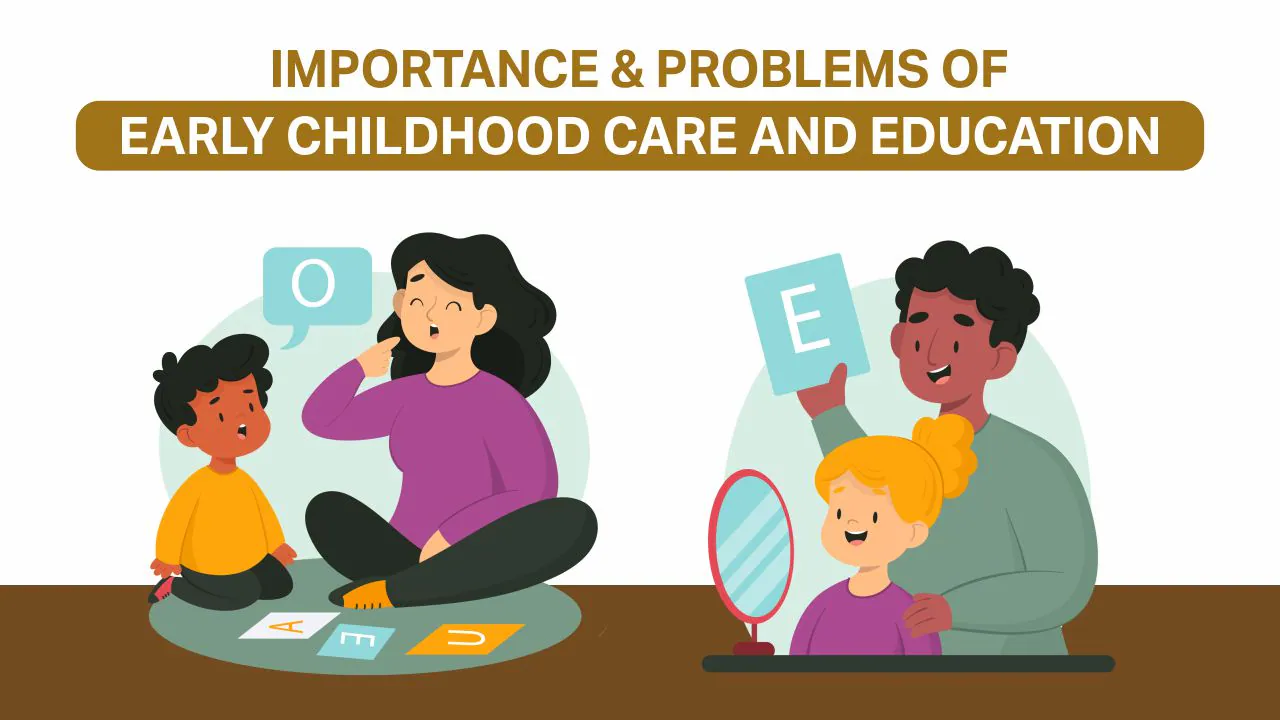
The educational process for a child starts with the All India Early Childhood Care and Education (ECCE) program as its initial step. The ECCE program exists to assist in the growth of children from their first moments of life until they reach their eighth birthday. Children establish their permanent methods of thinking and feeling, and learning during their first developmental stage. The current situation has led the country to designate early childhood education as a vital national goal of importance. The National Education Policy 2020 states that over 85% of a child’s brain development occurs before his or her sixth birthday.
Why Early Childhood Education Matters in India
Children learn faster during their early years than at any other time in life. All India Early Childhood Care and Education. Their brains act like a sponge, which absorbs all the language, emotional skills, and problem-solving abilities from their surroundings. India has a huge population of young children. Studies estimate that millions of children aged 0–6 live in the country, which makes early education an essential national responsibility.
When early childhood education works well, children gain several benefits:
- Better language and communication skills
- Stronger emotional confidence
- Improved creativity and curiosity
- Better preparation for school learning
Without early learning opportunities, children may struggle later in school. Many children who skip preschool enter Grade 1 without basic skills. Some cannot identify letters or simple numbers.
Therefore, the Indian government and education experts stress the importance of providing quality ECCE to every child across the country.
Goals of All India Early Childhood Care and Education
ECCE in India aims to achieve its primary objective. Every child should enter primary school ready to learn and explore. The National Education Policy 2020 introduces a new 5+3+3+4 education structure. All India Early Childhood Care and Educatio The first five years of this model begin with three years of preschool education and two years of early primary education.
This system focuses on the “foundational stage,” which includes:
- Nursery
- Lower Kindergarten (LKG)
- Upper Kindergarten (UKG)
- Class 1 and Class 2
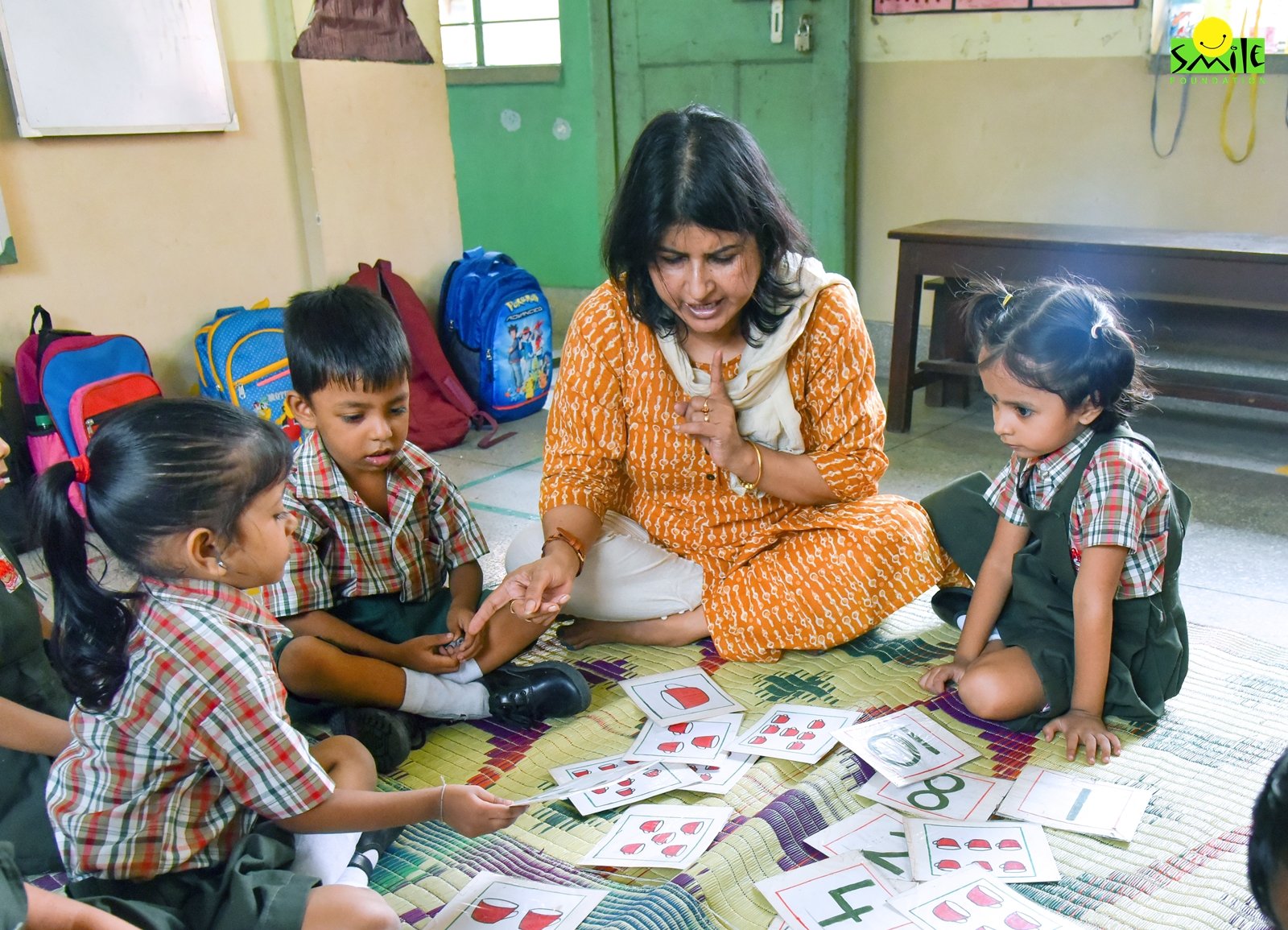
Students acquire knowledge by engaging in fun activities, which replace traditional textbook study methods. Teachers use songs and stories, puzzles and group games to help students learn. All India Early Childhood Care and Education. The program exists to support child development through examination-free assessment methods, which help children grow their natural abilities and build confidence.
Key Components of All India Early Childhood Care and Education in India
The successful All India Early Childhood Care and Education system needs to provide more than classroom instruction because it needs to support all aspects of child development through its health and nutrition programs and emotional support services.
The Indian model of early childhood education focuses on five main areas of development.
- Physical Development
Children need active movement to grow strong. Running, jumping, and playing activities work together to develop strong muscles and better coordination skills.
- Cognitive Development
Young minds enjoy exploring new ideas. Memory and thinking skills develop through activities that involve puzzles, building blocks, and storytelling.
- Language Development
Children learn language through conversation and stories. Teachers create a classroom environment that enables students to practice their speaking and listening skills while showing their understanding of the material.
- Emotional Development
Kids start to understand feelings during their first years of life. Classrooms that create friendly environments help students learn how to be kind and patient and work together with others.
- Social Development
The group activities that children participate in teach them how to share their possessions while working together with their peers. These abilities become essential throughout all stages of life. The combination of these factors establishes an environment that supports optimal development.
Role of Anganwadi Centers in All India Early Childhood Care and Education
The Anganwadi system serves as the main foundation that supports ECCE programs across India. The centers function as operational units of the Integrated Child Development Services program. The country has approximately 1.4 million Anganwadi centers, which provide services to millions of children between the ages of 3 and 6.
Anganwadi centers provide:
- Preschool education
- Nutritious meals
- Health checkups
- Immunization services
- Early learning activities
The centers provide essential support for both rural areas and low-income communities. The centers provide essential educational services while maintaining essential health services for children. The situation continues to face obstacles. The Anganwadi workers spend most of their time on health and nutrition work, which limits their teaching responsibilities. Experts suggest that better teacher training and improved learning materials should be developed to enhance the capabilities of these centers.
Teaching Methods Used in All India Early Childhood Care and Education
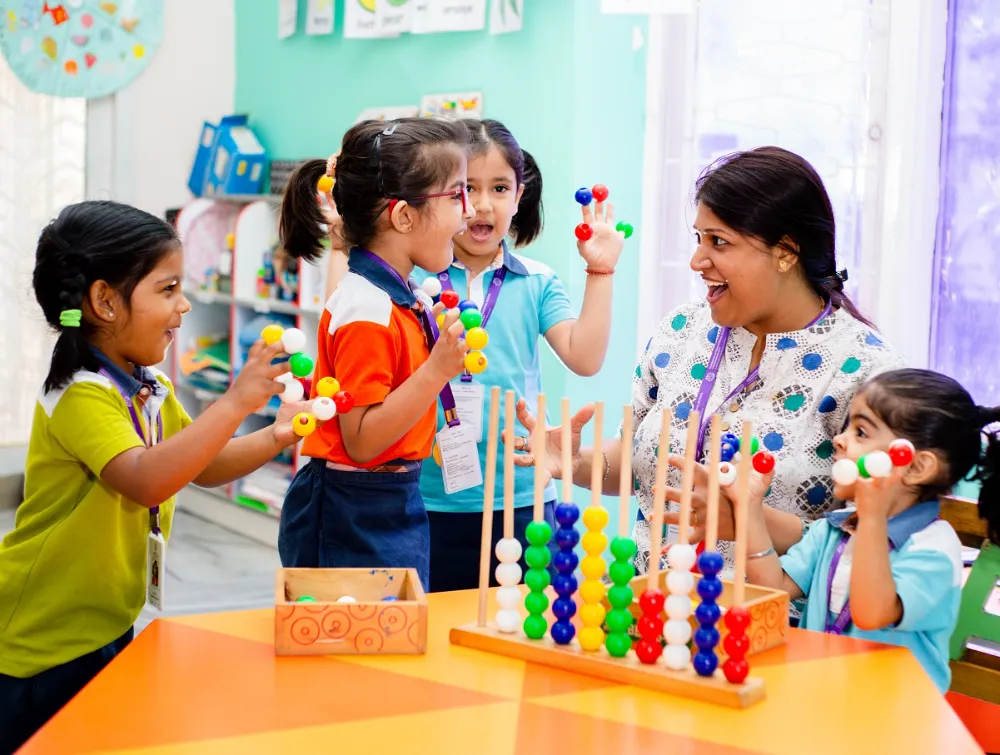
All India Early Childhood Care and Education programs in contemporary times choose not to use conventional lecture techniques. Their approach focuses on educational activities through play-based learning. Play-based learning enables children to acquire knowledge by engaging in fun activities. Children participate in storytelling activities while they solve puzzles, create drawings, dance, and engage in pretend play.
Children learn to count through game-based activities where they count toys instead of memorizing numbers. They learn grammar through story listening while they practice word repetition instead of reading grammar rules.
The approach succeeds because young children have a natural tendency to learn through their environment. All India Early Childhood Care and Education. The learning environment establishes a connection between play and learning, which helps children maintain their curiosity and active interest in learning. Teachers design their classrooms with vibrant colors and interactive elements, which include toys and educational charts, and designated areas for learning. The spaces serve to promote both exploration and creative expression.
Challenges in India’s All-India Early Childhood Care and Education System
ECCE has made progress during recent years, but continues to face multiple challenges. The system faces one critical obstacle, which involves finding qualified teachers. The studies indicate that India requires tens of thousands of early childhood educators to fulfill its increasing demand. The second challenge exists because of insufficient educational facilities. Many rural preschools lack proper classrooms, learning materials, or playgrounds. All India Early Childhood Care and Education Program effectiveness suffers from funding shortages. The government allocates insufficient funds to early childhood education compared to its financial support for other educational stages. The public lacks understanding of early childhood education. Some parents do not realize how important preschool education is.
Government Initiatives Supporting All India Early Childhood Care and Education
The Indian government has introduced several initiatives to strengthen early childhood education. The programs build on better educational access through their efforts to improve educational quality.
Key initiatives include:
- Anganwadi modernization projects
- Bal Vatika preschool classes in government schools
- Teacher training programs for early childhood educators
- Play-based learning curriculum frameworks
Some states have already taken major steps. The government now operates Bal Vatika classrooms, which serve as preschool learning spaces across thousands of schools. The classrooms provide educational resources, which include toys, learning kits, and activity-based lessons for children who belong to the 3-to-6 age group. The initiatives demonstrate that India is progressing toward establishing universal early childhood education.
The Role of Parents in Early Childhood Learning
The role of parents in early childhood education holds equal significance to the work of teachers. The home serves as the first educational environment for children. Early learning development receives support through everyday routines. All India Early Childhood Care and Educatio The process of reading bedtime stories together with parents and sharing their daily experiences and counting games allows children to develop essential language and cognitive abilities. Parents can foster their child’s curiosity by answering their questions and providing them with opportunities to discover new things in their environment. The combination of school and home partnerships provides students with a comprehensive educational experience.
Future of All India Early Childhood Care and Education
The education system in India is starting to give greater value to early educational programs. The goal of universal ECCE implementation requires all children to receive excellent preschool education before they begin Grade 1. Experts believe that the investment in early childhood education programs delivers benefits that extend into the future. The children who receive strong early learning opportunities will achieve better academic results and obtain better employment opportunities while making positive contributions to their communities. Better teacher training programs with improved infrastructure development will create stronger ECCE systems for India. The dream is simple yet powerful: every child deserves a joyful start to learning.
Denouement
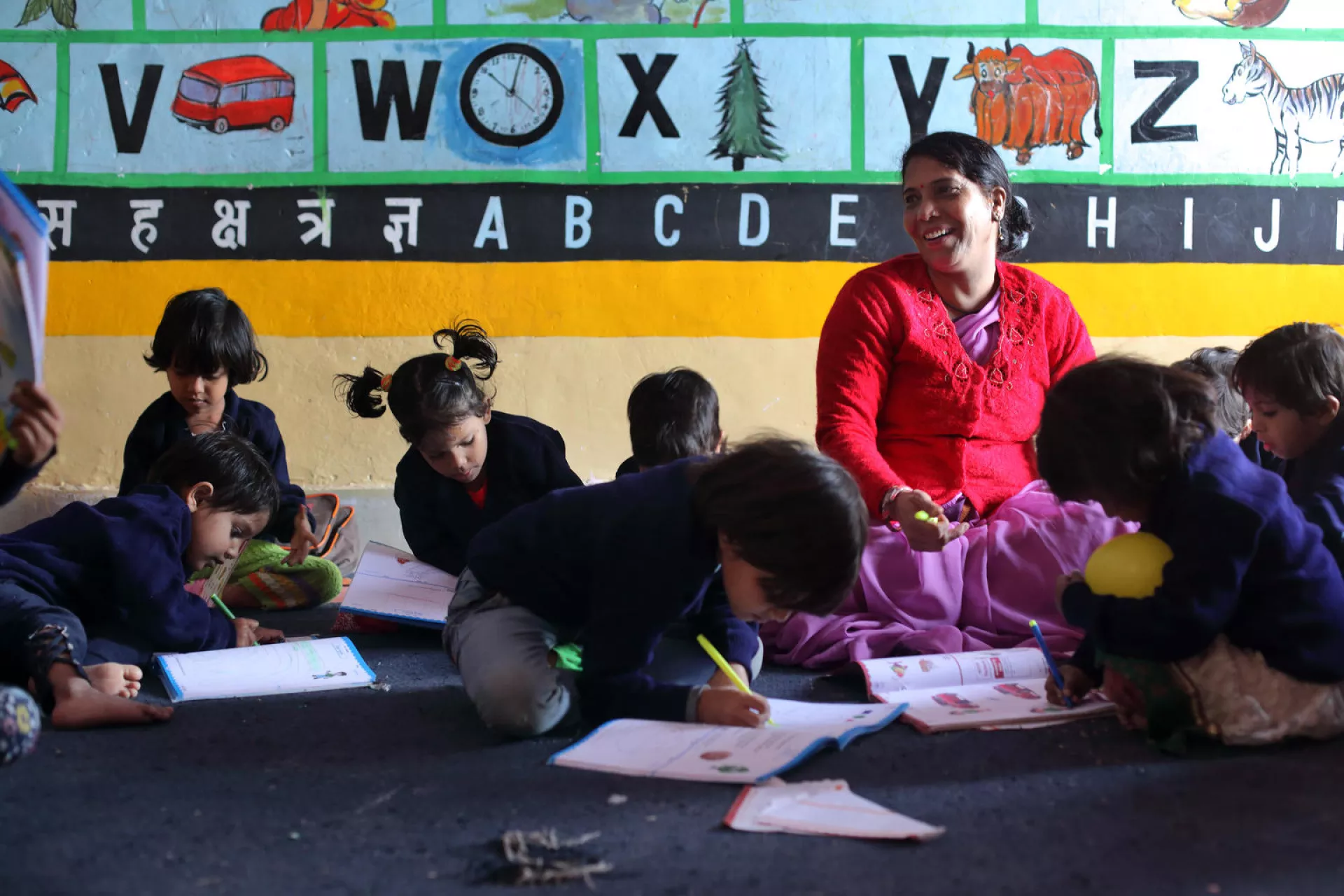
The All India Early Childhood Care and Education program establishes the essential foundation for an effective educational system. Children acquire vital abilities through proper early childhood care and nutrition and educational opportunities, which support their future success. India provides universal early childhood education through Anganwadi centers, Bal Vatika classrooms, and its new educational policies. The country needs improved teacher training programs, better educational facilities, and active public education about effective teaching methods.
All India Early Childhood Care and Educatio According to education specialists, a child’s early years determine their entire future life path. The investment India makes in early childhood care and education today will help ensure a more promising future for countless young children.
FAQs
- What is All India Early Childhood Care and Education (ECCE)?
ECCE denotes the educational and care services that exist for children who range in age from birth until they reach eight years. The program supports all areas of development, which include physical, emotional, social, and cognitive growth.
- Why is ECCE important for children?
ECCE helps children develop their brain function and language abilities while they learn to create things and develop their emotional skills. It helps children build the skills they need to learn successfully at school.
- What role do Anganwadi centers play in ECCE?
Anganwadi centers provide preschool education, nutrition, healthcare, and early learning activities for young children across India.
- What changes did the National Education Policy introduce for ECCE?
The policy introduced the 5+3+3+4 education system and made preschool education a key part of the foundational stage of learning.
- How can parents support early childhood education at home?
Parents can read stories, talk with children, play learning games, and encourage curiosity through daily conversations and activities.
Also Read: The Narrow and Broad Concept of Education: A Simple Guide to Understanding Real Learning