




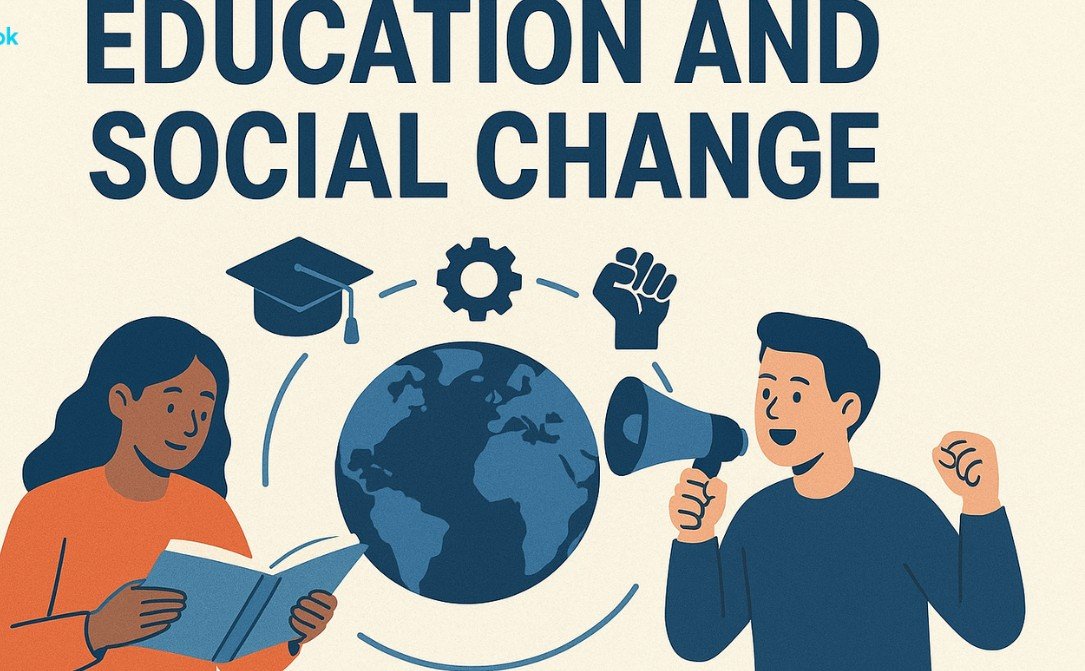
Education and Social Change: Why They Matter Together
Education and social change are closely related. Ideas are what constantly flow from one thought to another and change how we think and even the actions that we take. That means progress for families, communities, and even entire countries. Education is much more than passing exams. What it teaches them is problem-solving, respect for others, and proper decision-making.
Visualize a seed growing into a tree. Education allows people to blossom exactly like that. It gives them knowledge, confidence, and skills. And this growth gives rise to positive social change. Today it’s a child who is learning; tomorrow it may become a teacher, doctor, scientist, or a leader. One person’s success can inspire thousands.
Nowadays, you talk about education and social change everywhere in the world. Education is necessary to render people ready for the challenges of our age. You need to be trained in technology, health, the environment, and social issues. Education, therefore, becomes a link between the present and the future.
How Education Creates Social Change
Social change happens in the mind first, and education is how we make it happen. Only when people see the need for change will society change. Education opens their eyes to new possibilities and challenges the unfair systems in place.
Take, for example, most educated individuals; they support an equal and just society. They know the worth of human rights. Therefore, they stand up against discrimination and injustice. It leads to new social change over time.
Education also serves to make informed choices. They study how to discover facts, analyse critically, and avoid misinformation. As a result, they become citizens of action who can be active in society. Many educated people working together make communities stronger and more united.
Education and Social Change Through Equal Opportunities
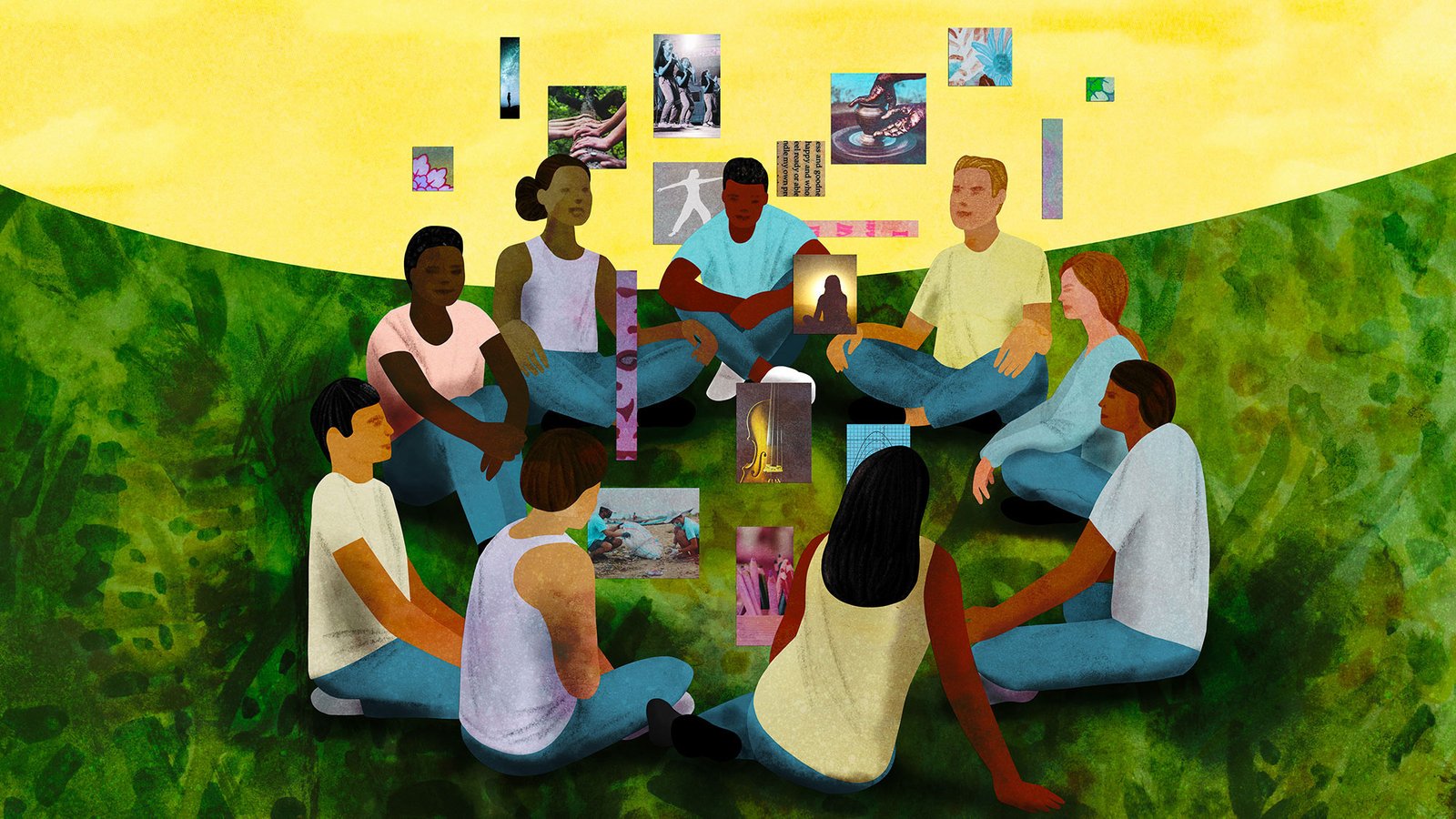
One of the most amazing fruits that education and social reform can bring is equal opportunities. If the education also liberates individuals from not only their class, but also caste and creed. Education teaches a poor child(a few good skills) which they can refine to attain something nice, thereby getting out of poverty.
Moreover, education is important for bridging the gap between social and economic divides. It all leads to better employment and higher wages. So the families are going to live safely and securely, and you get these benefits.
The education of girls is a great illustration. Quality education helps girls achieve their goals and confidence, and become independent. They are usually more involved in their communities and help future generations. This is why the right to education and social change are inextricably linked and contribute to a more just society.
The Role of Education in Building Strong Communities
Well-informed, responsible citizens are the foundation of strong communities. Schooling really teaches us how to collaborate, how to communicate, and how to dispute peacefully. This creates safer, more connected communities.
Furthermore, teaching encourages civility by appreciating different cultures and ideologies. People would find out that diversity is a source of strength rather than a point of contention. This, in turn, brings less violence and more community cohesion.
In addition, you suppose that educated individuals volunteer as well, but they are also, in fact, cheering for local businesses and aiding others. What they do makes the world a little bit better. It takes small work sites and combines them with high results.

Technology, Education, and Social Change
The nature of education has been redefined by technology. Students today are able to learn information from virtually anywhere. This has arguably deepened the nexus between education and social change.
Students can now learn various skills at home via online learning platforms. This allows those who had none. It allows teachers to provide exciting and innovative ways to share knowledge.
But even this increasing access to technology is uneven across some regions. This is why the governments and communities must join hands in bridging the digital divide. Accessible learning tools empower education and social change even more.
Why Education and Social Change Matter for the Future
Looking ahead, a new world is on its way, and it will test us. Inasmuch, we will require smart responses to climate change, development and technological progress, and health problems at the global level. Through education, people learn the skills to face our challenges with skill and creativity.
An educated youth can become a productive problem solver and innovator for the future. They also deal with change and they interact with others. Thus helping to build a more resilient and sustainable world as well.
Education also teaches hope. It basically tells people that improvement is possible. Even when the problems are tough, knowledge paves the way ahead. So the future still depends on education and social change.
Briefs
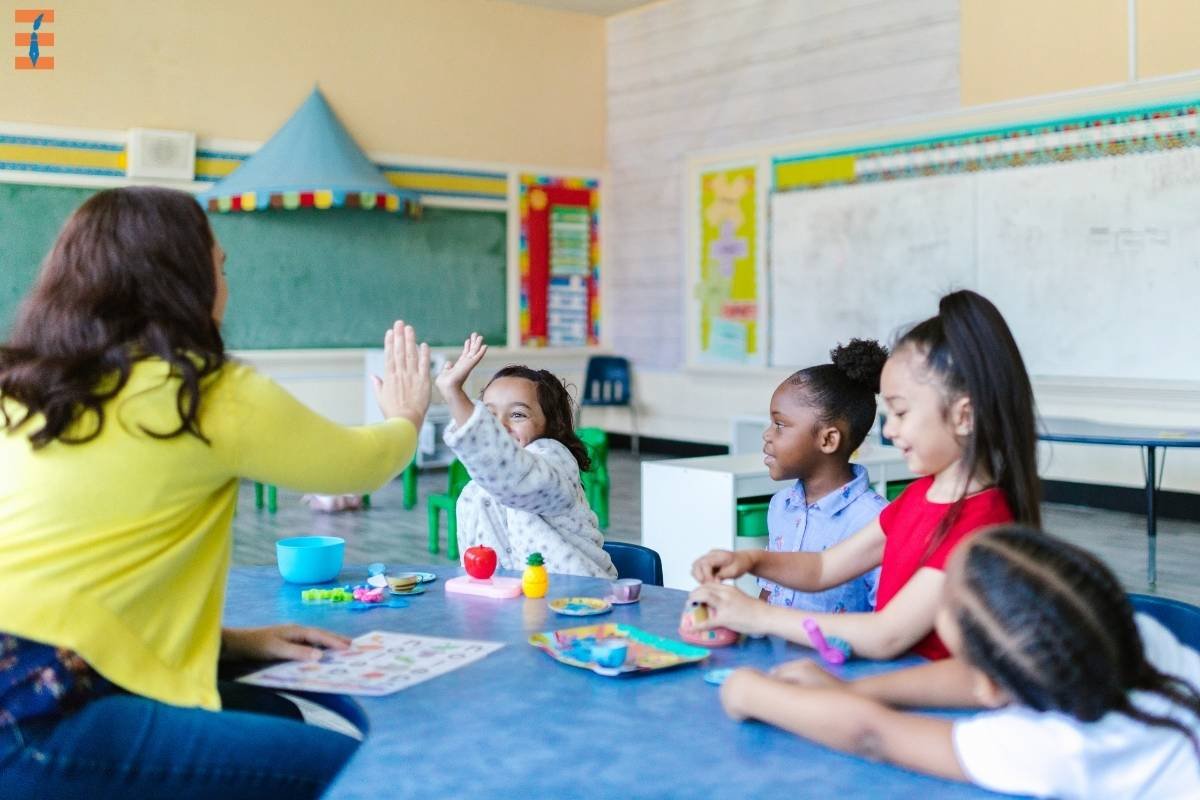
It’s quite clear that education has always been involved in social change. It builds people through better education, skill acquisition, and winning in life. It is no longer the case that only an educated citizenry can mobilize to help others; change is also possible.
In fact, education has traditionally offered purpose, reduced inequity, and grounded communities. It continues to be a force for good in the world that is shaping a better future for people everywhere today. You have lessons that you learn, which develop your skill and confidence base, but the influence of every lesson goes far beyond the four walls.
We invest in education; we make investments for social transformation. We create space, we empower creation, we build a fairer system. As a final observation, education is not just an accumulation of facts. This is about changing lives and making the world a better place for all of us.
Also Read: Saraswati Vidya Mandir: A School That Builds Bright Minds and Good Values