





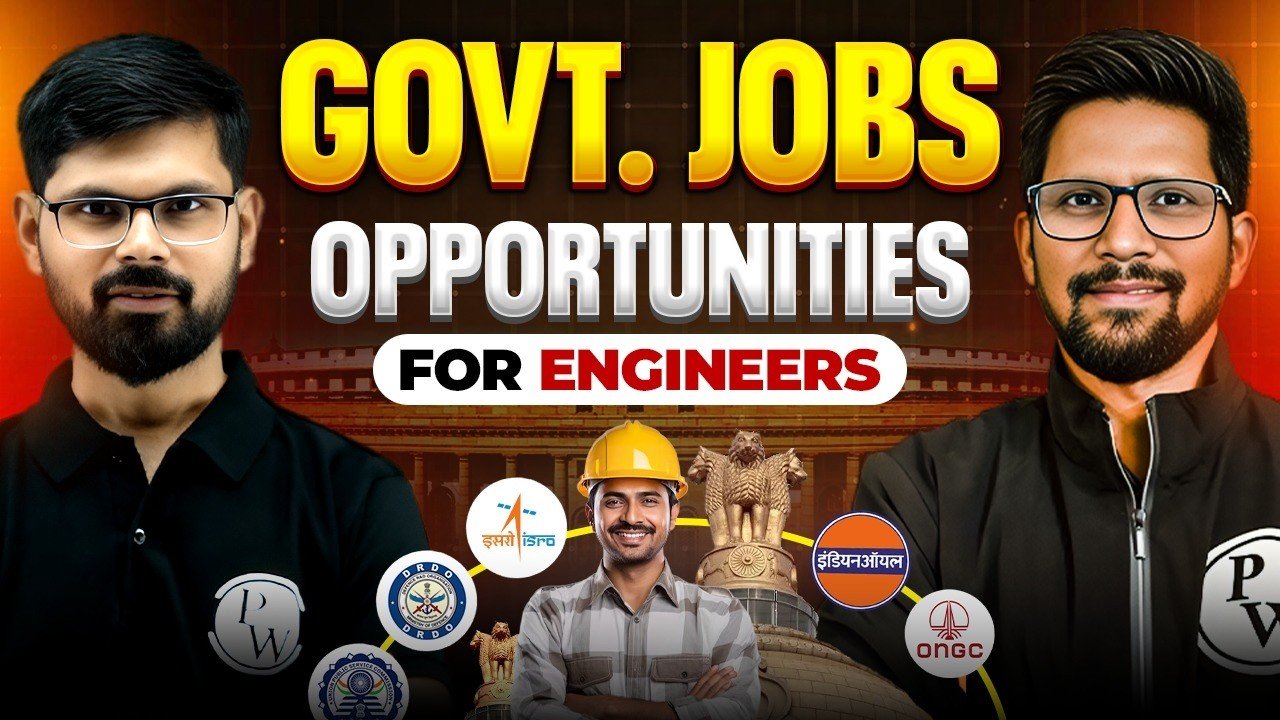
When I was in Mechanical Engineers college, this question kept popping up again and again: should I choose a private company or try for a government job? Like almost every mechanical engineering student, I mean, you tend to ask the same thing at some point, even if you don’t say it out loud.
Honestly, the answer kind of depends on your goals. If you want fast-paced work, new kinds of challenges all the time, and you’re fine with uncertainty, then the private sector can feel more thrilling. But if you care more about stability, clear career progression, and the possibility to work on initiatives that really serve millions of people, then government jobs for mechanical engineers are absolutely worth serious consideration.
And there’s the good part: mechanical engineers are required almost everywhere. Be it power plants, railways, space missions, or defense research, skilled mechanical engineers do a lot, and in a way they help keep India moving forward.
Why Are Government Jobs So Popular?
A government job is not only about a decent paycheck. It’s also about a kind of peace, like quiet in your mind. When you know your career has a clear route, you can put energy into studying and real, useful tasks instead of stressing about constant job moves or sudden changes.
On top of that, many government organizations offer health insurance, housing allowances, paid leave, and retirement plans. The bigger point is that promotions often occur through a transparent process, so there are fewer surprises.
For many families, these perks make government work for mechanical engineers a pretty attractive long-term plan.
Public Sector Companies Offer Excellent Careers
Public Sector Undertakings, or PSUs as they’re called, are usually among the first preferences for mechanical engineering graduates.
Firms like BHEL, NTPC, IOCL, ONGC, GAIL, and SAIL bring in mechanical engineers every year. Quite a few of them prefer to recruit candidates via the GATE examination, so it matters a lot.
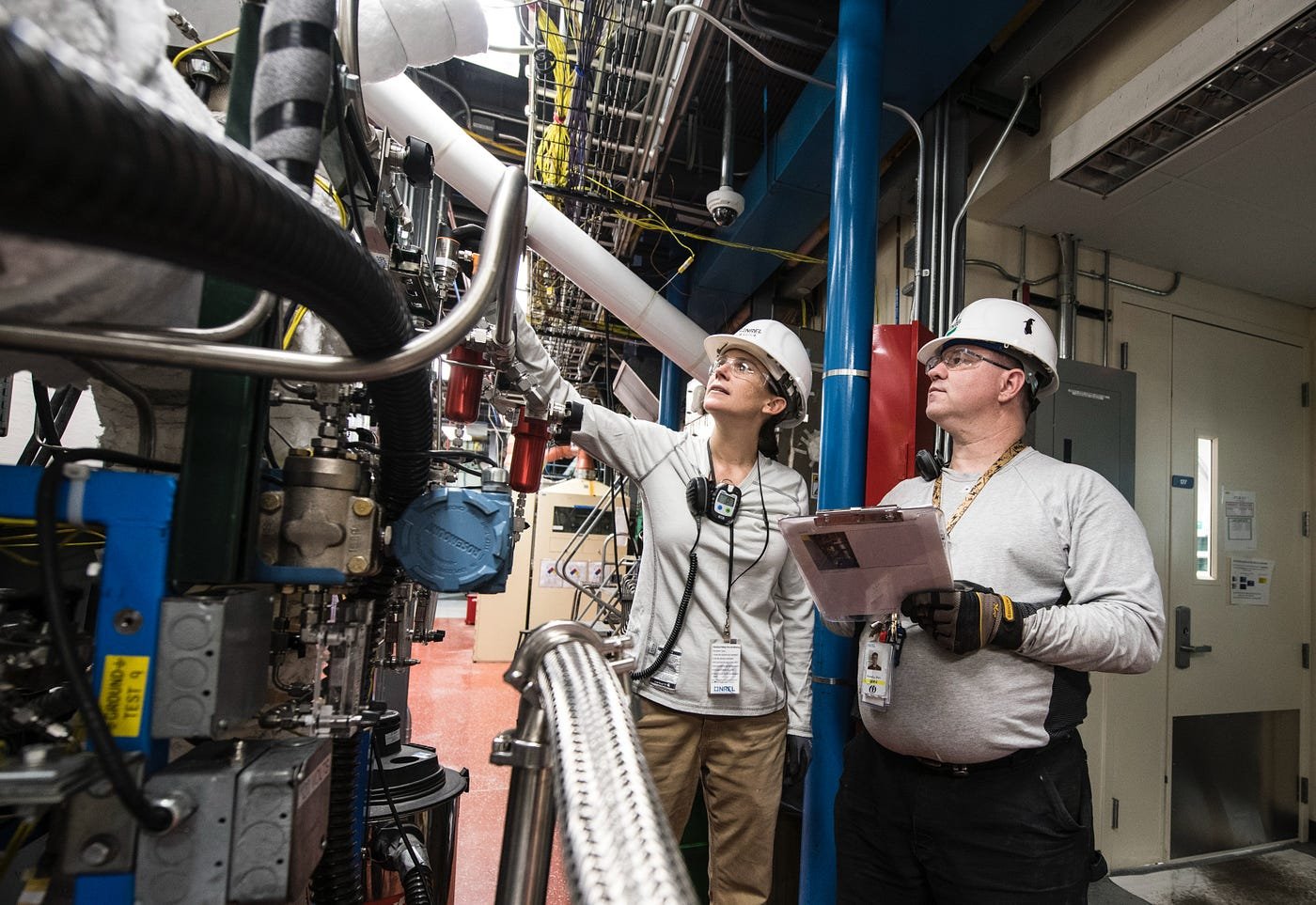
Getting into a PSU offers a chance to deal with big engineering assignments that, honestly, help the Indian economy keep moving. You could end up working on power creation, oil refineries, heavy machines, or industrial production; it varies depending on the unit.
Indian Railways Needs Mechanical Engineers
Few organizations employ anything near as many engineers as Indian Railways do. Mechanical engineers, in practice, help maintain locomotives, coaches, workshops, and also the newer railway systems. What they do, day to day really, keeps trains moving safely across the whole country.
Most candidates tend to enter via RRB examinations or through the UPSC Engineering Services Examination, depending on the track they choose, or whatever happens to open up.
Dreaming of ISRO or DRDO?
A lot of engineering students sort of imagine their efforts landing in space missions, or helping with national defense stuff. Organizations such as ISRO, DRDO, HAL, BEL, BARC, and NPCIL often recruit bright mechanical engineers, and it feels pretty direct. Of course, these positions require serious dedication and an ongoing habit of learning new things, because the work is never really “done”. But then again, they also bring a kind of fulfillment that many other careers cannot easily match, that quiet satisfaction of having your work support projects that strengthen the nation overall.

State Government Jobs Are Worth Considering
A lot of students tend to just look at central government jobs. Though this is kinda a mistake. Every state then recruits Assistant Engineers and Junior Engineers via its Public Service Commission and not only through the center. You can find these roles across areas like Public Works, Irrigation, Water Resources, Electricity Boards, and even Transport. Usually the competition is smaller compared to national-level exams, so these posts become a pretty solid choice for a lot of fresh graduates.
Which Exams Should You Prepare For?
Success starts with the strike when you choose an examination, not any one that comes first. The exams are of two types: big ones including GATE, UPSC Engineering Services Examination, SSC JE, RRB JE or State PSC Assistant Engineer examinations, and recruitment tests like ISRO & BARC.
Instead of preparing for every single exam together all at once, select one main target and construct a clean timetable around it.
Skills That Give You an Advantage
A degree opens the door, but your skill set is what sort of decides how far you end up going. And in practice, having strong knowledge of thermodynamics, machine design, manufacturing processes, and engineering mechanics really gives you a solid base, sort of like a sturdy backbone. At the same time, software skills like AutoCAD and SolidWorks make your profile even more solid, in a way that can’t really be ignored. Also, communication is important; engineers usually work within teams, share thoughts, and collaborate to work out practical problems.
Practical Tips for Success
Preparing for government jobs really takes patience, and it’s not always a straight line. First, go through the official syllabus. After that, try making a practical timetable that you can genuinely follow day by day, no fancy changes. Then go for previous years’ papers, because they usually show key patterns, like where questions repeat. Don’t skip mock tests either; they help speed up your work and build confidence. And most of all, stop comparing your journey with other people. Every successful engineer has their own different story, even if it looks similar from the outside.

Epilogue
Government Jobs for Mechanical Engineers are still some of the best career opportunities in India. They are a combination of financial security, meaningful engineering work, and consistent professional advancement. Dreaming of working in a premier PSU, Indian Railways, ISRO, or in a state engineering department comes only after hard work and not easy ways.
Pick your target, practice hard, and constantly be learning along the way. Working as an engineer in the government is not just a paycheck. It is utilising what you learn to provide solutions to actual problems, bettering the infrastructure, and developing the nation.
Also Read: OPSC Sociology Syllabus 2026: Your Complete Guide to Smart Preparation and Better Scores