What Is the Basic Course in Medical Education?
The Basic Course in Medical Education (BCME) is a training program that helps medical teachers become better educators. The program trains medical doctors to teach medicine through its educational process. People believe that doctors who practice medicine will naturally succeed as educators. The process of teaching others requires particular abilities that people must develop. The Basic Course in Medical Education provides essential support for this process.
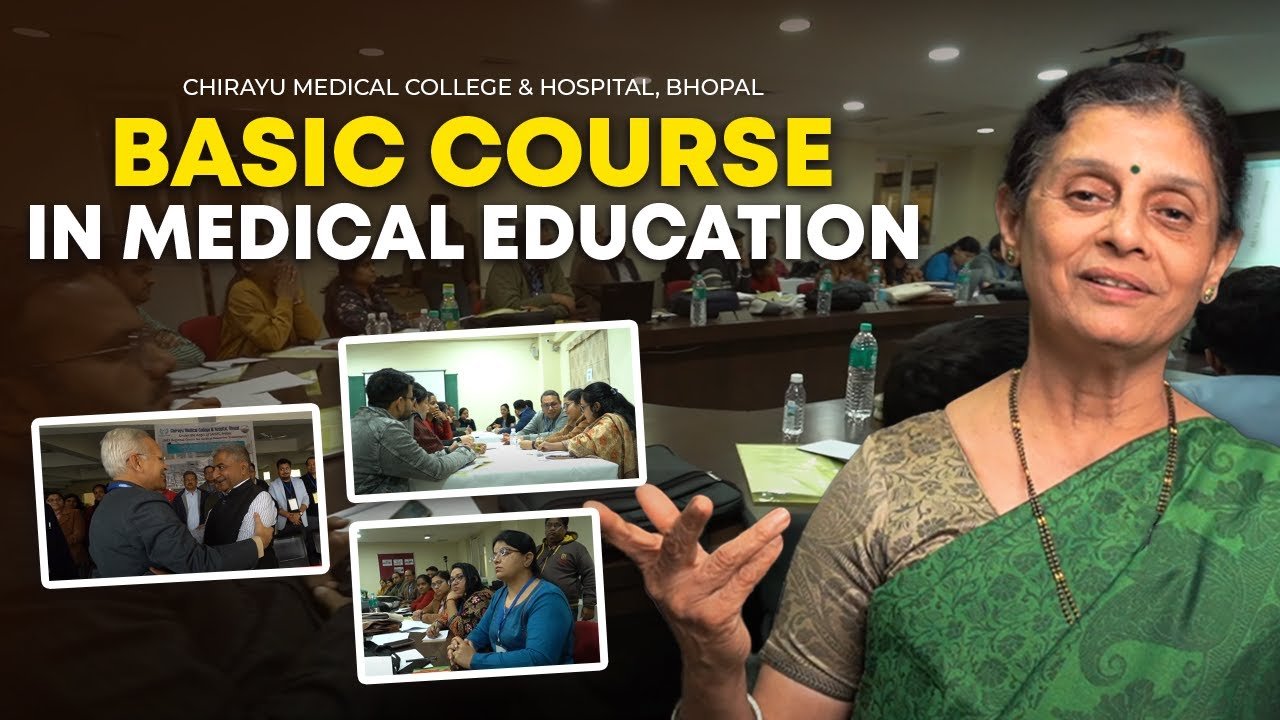
Medical colleges and training centers conduct the Basic Course in Medical Education as their standard educational program. Teachers participate in three types of activities, which include workshops and discussions, and group work. The medical program teaches students about the ways medical students learn complex medical concepts. The program teaches students to explain complex concepts in simple terms. Student learning improves when teachers acquire new teaching skills. The result of this process brings improved medical treatment for patients. The Basic Course in Medical Education serves as a connection between educational practice and actual healthcare operations.
Why the Basic Course in Medical Education Matters
The medical education system in previous times depended on extended lectures for teaching purposes. The students maintained silence during lectures as they listened to the content without participating through questions. Medical education requires students to engage in learning activities. The Basic Course in Medical Education shows educators how to develop interactive teaching environments. The course provides teachers with vital information about adult learning methods. Medical students belong to the group of adult learners. They require interactive activities which include discussion, practice, and receiving feedback. The Basic Course in Medical Education provides a straightforward explanation of learning principles through simple steps.
Why Every Medical Teacher Needs the Basic Course in Medical Education
The Shift Toward Competency-Based Medical Education
The field of medical education has undergone significant transformations during the past few years. Modern educational methods now center on developing skills and behavioral competencies together with patient care abilities instead of solely teaching students to memorize textbook content. The educational framework that enables medical training through defined competency development is known as Competency-Based Medical Education (CBME). The Basic Course in Medical Education provides educators with essential knowledge about the newly established educational framework.
The CBME assessment requires students to demonstrate their actual skills. Students must demonstrate their ability to interact with patients through effective communication methods. Students must show their ability to manage medical procedures in a safe manner. The educational framework requires instructors to develop new teaching methods to deliver effective support. The Basic Course in Medical Education explains these methods step by step.
Skills Doctors Learn Through the Basic Course in Medical Education
The Basic Course in Medical Education develops several essential teaching skills. These skills make learning easier for students. Teachers learn to develop structured lesson plans through this program. A clear plan helps students understand topics quickly.
Teachers acquire skills for providing constructive feedback to students. The feedback serves as a directional instrument that helps students identify their required areas of development. The students build their confidence through his direct guidance that he provides to them. The process of assessment design requires workers to create a test that will accurately evaluate the performance of candidates. Effective assessments should evaluate actual comprehension rather than testing basic recall abilities. The Basic Course in Medical Education trains teachers to create balanced tests and practical evaluations.
Key Topics Covered in the Basic Course in Medical Education
Teaching Methods in the Basic Course in Medical Education
The Basic Course in Medical Education introduces many modern teaching methods. Small group learning serves as the primary teaching method used in this program. The students work in small groups to analyze case studies through discussion. The students work together to resolve their shared problem. The second teaching method uses problem-based learning as its foundation. The students receive a medical case for which they must identify all possible medical diagnoses. The teachers maintain control of the conversation while students participate in active thought processing. This method builds clinical reasoning skills. The Basic Course in Medical Education demonstrates that visual teaching tools serve as essential educational resources.
Student Assessment in the Basic Course in Medical Education
The assessment process functions as an essential component for assessing medical students’ capabilities. The Basic Course in Medical Education teaches teachers how to evaluate students fairly. Assessment tests evaluate students’ skills to ensure that only competent doctors graduate from medical school. Teachers learn to use different evaluation methods. Written exams test knowledge, while practical exams test clinical skills. Teachers use Objective Structured Clinical Examinations (OSCE) to assess students’ medical skills through direct observation. The assessment methods established by the course will continue to assess students throughout their entire program duration. Teachers use continuous evaluation methods to assess students’ progress throughout the whole academic year.
How the Basic Course in Medical Education Is Conducted
Duration and Format of the Basic Course in Medical Education
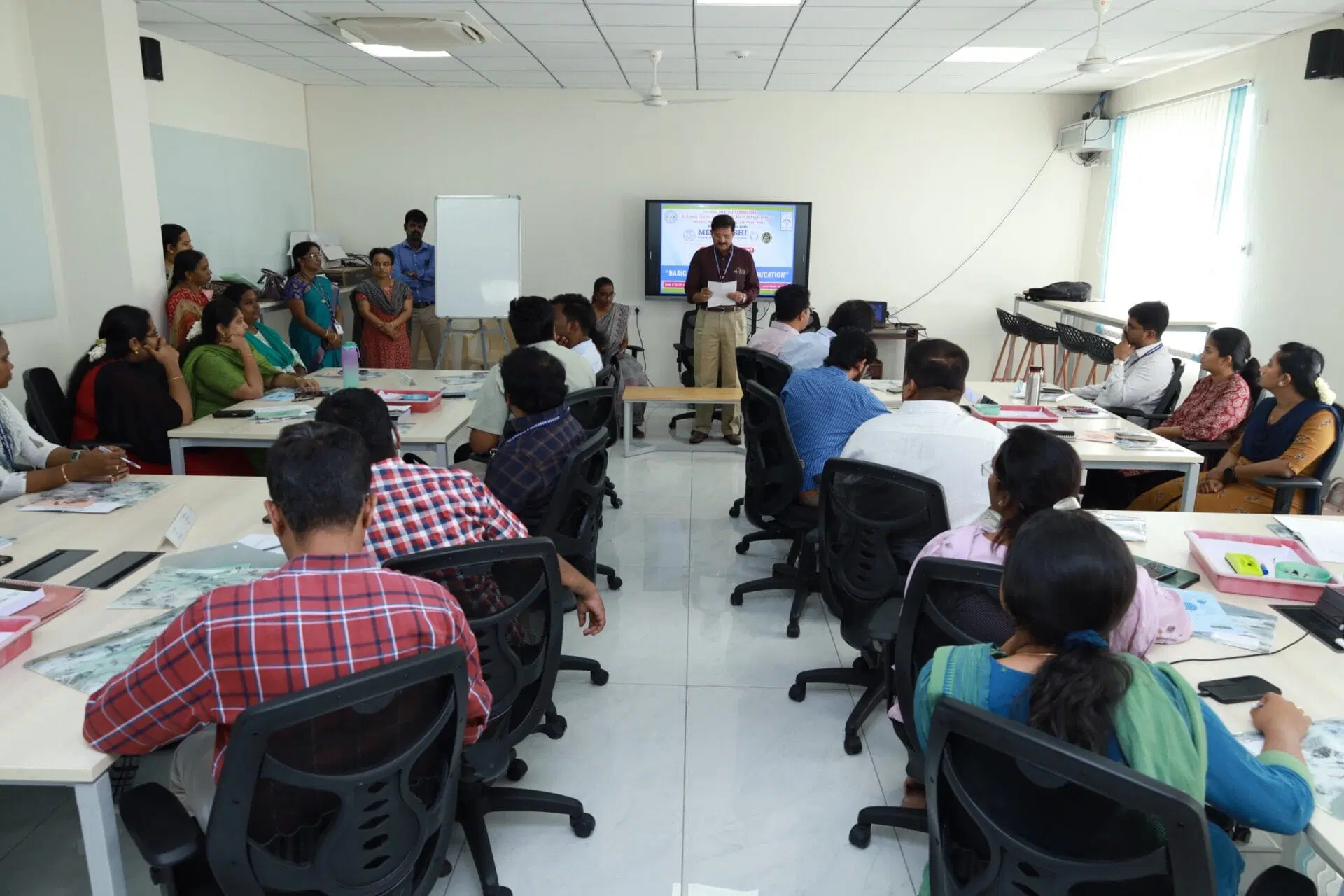
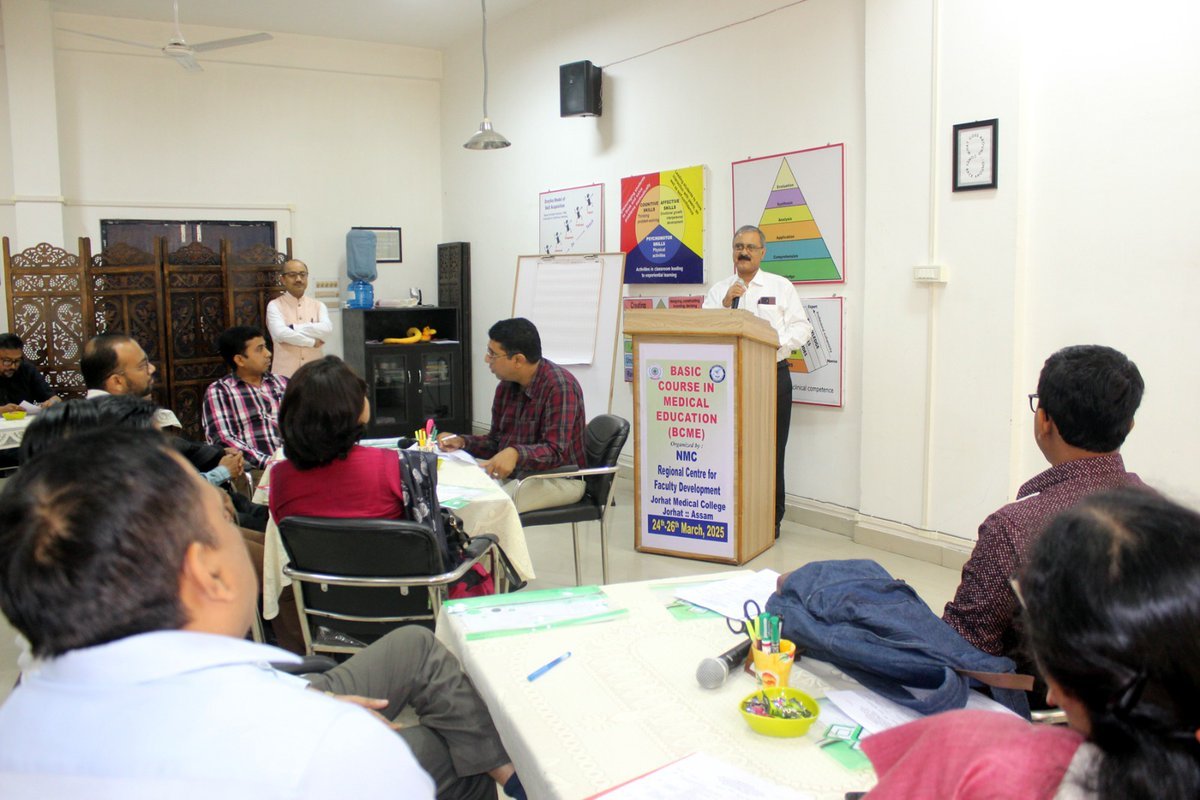
Most Basic Course in Medical Education workshops run for about three days. The teachers use this period to take part in both interactive sessions and practical exercises. A single workshop usually draws participation from approximately 30 faculty members. The session activities include three main components, which are presentations, group discussions, and problem-solving activities. The trainers lead participants through the content by delivering structured instruction. The training program requires active involvement from participants instead of using traditional lecture methods.
The participants exchange their knowledge about teaching practices. The discussions create a space where learners can feel supported during their educational journey. Teachers acquire knowledge through observing how their colleagues achieve success and encounter difficulties.
Activities and Group Learning
The Basic Course in Medical Education program centers on group learning as its main educational approach. The team of participants works together to develop solutions for their teaching challenges. The team creates lesson plans, which they present to the entire group. The activities of the program foster both collaborative work and innovative thinking. Teachers study new concepts through their collaborative work with other educators. The process enables medical students to work together just like they did in their medical school education. The workshops provide participants with both active learning experiences and role-playing practice. During the simulated lessons, teachers take on both student and teaching roles while performing their duties.
Benefits of the Basic Course in Medical Education
Benefits for Teachers
The Basic Course in Medical Education offers many advantages for teachers. First, it improves confidence in the classroom. Teachers learn to handle classroom dialogues while explaining difficult subjects through practical techniques. The second benefit of the course is professional growth. Medical teachers who complete the Basic Course in Medical Education become more effective educators. Their enhanced teaching abilities create pathways for professional advancement to take place. The third benefit of the program results in teachers acquiring essential qualities for leading others. Many trained teachers later guide educational programs in their institutions. Their actions help to create the next generation of medical educational systems.
Benefits for Medical Students
The Basic Course in Medical Education provides students with essential benefits. When teachers use modern methods, students learn faster and more effectively. Students experience interactive lessons that replace their previous dull learning activities.
Students receive better progress assessment through clearer feedback. The guidance enables students to develop their essential skills. The process helps them develop into doctors who possess both medical skills and humanistic qualities.
Improved teaching methods lead to better patient outcomes. High-quality medical education enables doctors to deliver better patient care through safer and more effective treatment methods.
The Future of the Basic Course in Medical Education
The evolution of medical education persists through its ongoing transformation. The increasing impact of technology now functions as an essential teaching resource. The use of simulation labs and virtual patients, together with digital learning platforms, has become standard educational practice.
The Basic Course in Medical Education will continue to adapt according to upcoming educational developments. The upcoming workshops will introduce participants to artificial intelligence and telemedicine, and digital learning system training.
Ongoing teacher development programs will remain important throughout educational work. Medical professionals need to keep studying because field knowledge evolves quickly. The Basic Course in Medical Education provides teachers with essential knowledge to maintain their professional development and teaching readiness.
Denouement
The Basic Course in Medical Education may sound simple, but its impact is powerful. It transforms doctors into skilled teachers. Through this training, educators learn modern teaching methods, fair assessment strategies, and effective communication skills. The educational system requires teachers who demonstrate growth because their development process creates better outcomes for students. Medical students develop into self-assured learners who take on their duties as professionals. Physicians who receive complete training deliver superior medical treatment to their patients. The medical field will transform medical education programs.
FAQs
- What functions does the Basic Course in Medical Education serve?
The Basic Course in Medical Education program teaches medical teachers modern teaching methods, together with assessment techniques and communication skills.
- Who should take the Basic Course in Medical Education?
The course serves as a teaching improvement program for medical college faculty members who teach students.
- What is the duration of the Basic Course in Medical Education program?
The majority of workshops run for three days, which include both interactive sessions and group activities.
- Is the Basic Course in Medical Education mandatory?
The course becomes an essential requirement for faculty development at various medical institutions, which adopt it as their standard practice.
- What skills do teachers learn in the Basic Course in Medical Education?
Teachers acquire skills in lesson planning, student evaluation, and feedback delivery methods, as well as interactive teaching methods.
Also Read: All India Early Childhood Care and Education: The Powerful Foundation That Shapes a Child’s Future