






When you look up at the sky at night, have you ever wanted to know what it all is? While science provides many answers, it also causes confusion between Nuclear Physics vs. Quantum Physics for people. Sound pretty similar; however, they study different aspects of nature. Understanding the difference allows us to process everything from small nuclei to how we harness nuclear power.
What Is Nuclear Physics?
What is a nucleus in nuclear physics? The nucleus is the atom’s small center. It is also the main structure of an atom’s mass (composed of protons and neutrons), and studying how those particles interact with one another and transform during a nuclear reaction is what Nuclear physics is about.
For instance, nuclear physics explains how the Sun produces heat and light. It also helps doctors with the delivery of radiation treatment. In addition, it allows the generation of clean nuclear energy to produce electricity. As a result, this pivotal scientific discipline has significant applications in medicine, energy, agriculture and space exploration.
What Is Quantum Physics?
Quantum Physics: Understanding the very small particles that make up nature. It focuses on the very small: electrons, photons and quarks. It displays unexpected behaviour for such particles. Sometimes it can act like a particle, and sometimes it can behave just like a wave. And this is what makes quantum physics so weird the first time around;
It sounds complicated, but we experience the effects of quantum physics in our everyday life. It is responsible for computers, smartphones, lasers, LED lights, and MRI scanners. Quantum technologies and quantum physics: Everything in quantum technologies is derived from components of quantum mechanics; without all of them, little of modern life would remain.
Nuclear Physics vs. Quantum Physics: The Main Difference
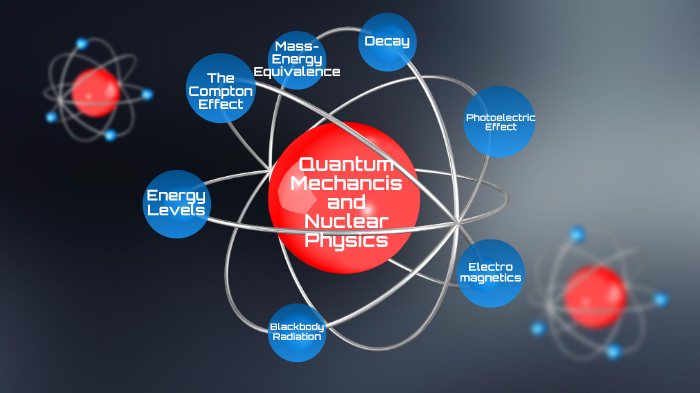
The main difference between Nuclear Physics vs. Quantum Physics is what they study. Nuclear physics studies the nucleus of an atom. Quantum physics is a theory descriptive of how very small particles behave and interact with each other.
You can compare it with a school. The fundamental rules of any student are taught by quantum physics. Nuclear physics looks at a particular classroom and what happens inside it. To put it another way, quantum physics gives rise to a framework that nuclear physics uses to describe many of those ideas for atomic nuclei.
| Feature | Nuclear Physics | Quantum Physics |
| Main focus | The atom’s nucleus | Tiny particles and their behavior |
| Studies | Protons and neutrons | Electrons, photons, quarks, and more |
| Common uses | Nuclear energy, medicine | Electronics, computing, lasers |
| Scale | Inside the nucleus | The smallest known particles |
How They Work Together
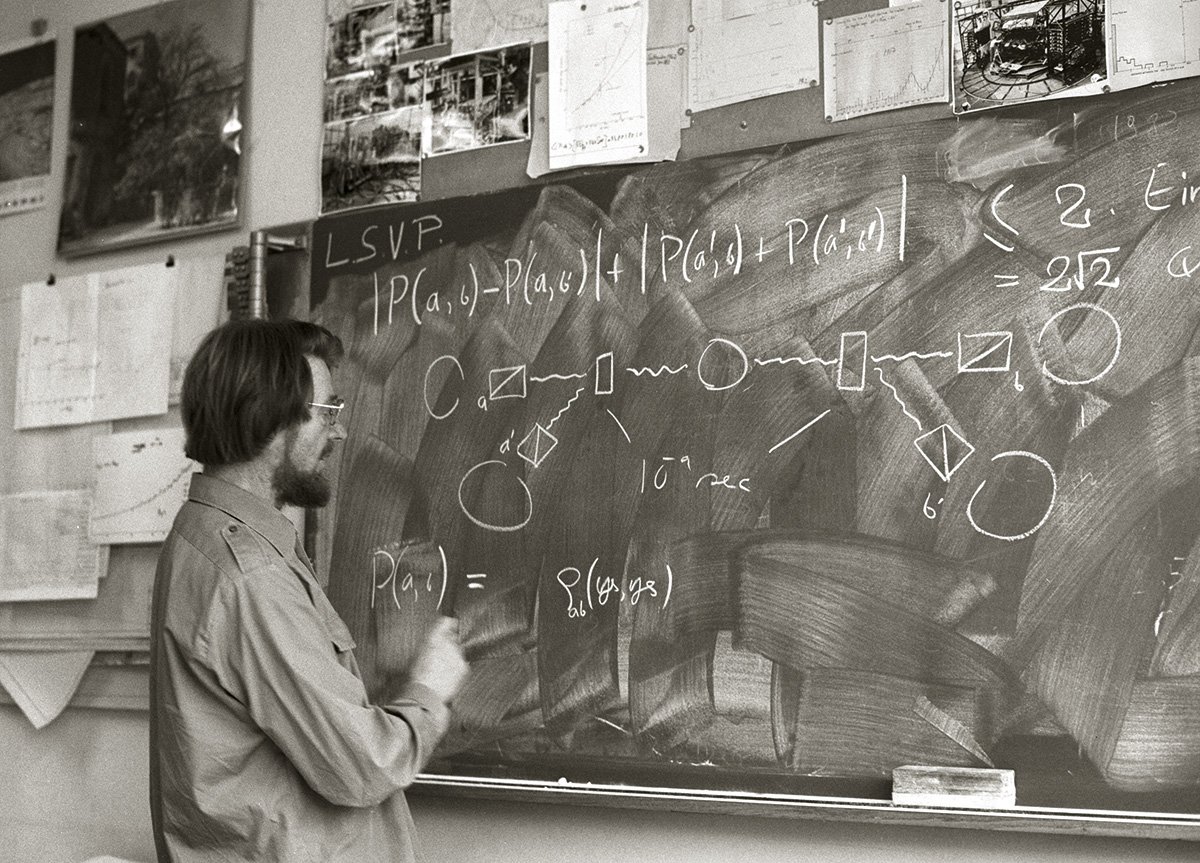
Nuclear physics differs from other subfields of quantum physics, but both areas have close interactions. In fact, scientists use quantum physics rules to discover many events in Nuclear Physics vs. Quantum Physics theory also helps to conceptualise why some atoms are stable, and others release energy as they decay radioactively.
This is why knowledge from both areas is often used in research. The work that they do results in enhanced medicines, cleaner fuels, more robust materials, and even better technology. These two subspecialties of science continue to support each other as the world of science grows.
Why Learning About Nuclear Physics vs. Quantum Physics Matters
Learning nuclear physics versus quantum physics will help us understand the world at a deeper level. These topics describe how stars shine, why atoms stick together, and many devices that we use today. They also encourage us to create new inventions that make our lives better.
These ideas do not need to be appreciated only by scientists. Curiosity is enough. Every milestone discovery began with a simple question. This can help students who learn Nuclear Physics vs. Quantum Physics today become inventors, engineers, or researchers tomorrow.
Denouement
In the end, this debate about Nuclear Physics vs. Quantum Physics is not really about which one is better. Different fields answer different questions about the universe. Nuclear Physics vs. Quantum Physics involves the study of the dense center of atoms, while quantum physics has to do with some bizarre behaviors of very tiny particles. Together, they teach us about nature, give rise to life-saving technology, and reveal new scientific frontiers. The better we understand the fields of these two disciplines, the closer we get to big insights regarding this miraculous cosmos we inhabit.
Also Read: DPI Full Form in Education: Meaning, Role, Functions, and Why It Matters