





What Is the Scope of Educational Technology?
Out here, classrooms look nothing like before – screens light up where chalk once flew. Learning moves beyond pages thanks to tools that respond, adapt, show, and play. A video explains what textbooks skip, while games build memory without feeling like work. Smart boards draw kids in by reacting as lessons unfold. Online sessions fit lives that never stay still. What sticks? Knowledge ties itself to doing, watching, and trying again. Fun sneaks into studying because boredom rarely wins now.
Most days, tech steps into classrooms through gadgets like tablets or apps that show lessons differently. Screens flash up ideas while software voices guide each step along the way. A projector might light the wall with maps one minute, math puzzles the next. Some systems watch how learners respond, then shift pace without being told. Teachers find ways to break down tough subjects thanks to smart helpers working beside them. Pacing slows when needed; speed rises when possible. Learning sticks because practice fits each person a bit more closely. Tools adapt quietly, steadily, making space for growth.
Why the Scope of Educational Technology Is Expanding Rapidly
Spinning through today’s routines, tech shows up in nearly every corner. Honestly, life seems built around gadgets and connections now. Schools? They’re stepping into that flow, shaping how learners handle screens and systems. Maybe it moves quickly and feels rushed sometimes, but preparation matters. Classrooms stretch further these days, reaching into digital know-how. Future work will demand it, sure. Even regular habits off campus lean on clicks and code. Skills once seen as extras are slowly becoming basics.
When classes moved online, schools began using digital spaces for teaching. Instead of gathering in person, instructors led sessions through web tools. Though things shifted fast, one thing stood out: tech helped learning continue. Pupils stayed on track right from their homes, avoiding long breaks altogether.
Most of the rise comes down to how loose the rules are; people like that. Any hour works, nearly any place fits too. Picture someone catching a biology talk after dark instead of sleeping, or running numbers on a phone during a bus ride. Moving without tight schedules tends to ease the weight, sort of anyway, when things go right.
Main Areas Covered in the Scope of Educational Technology
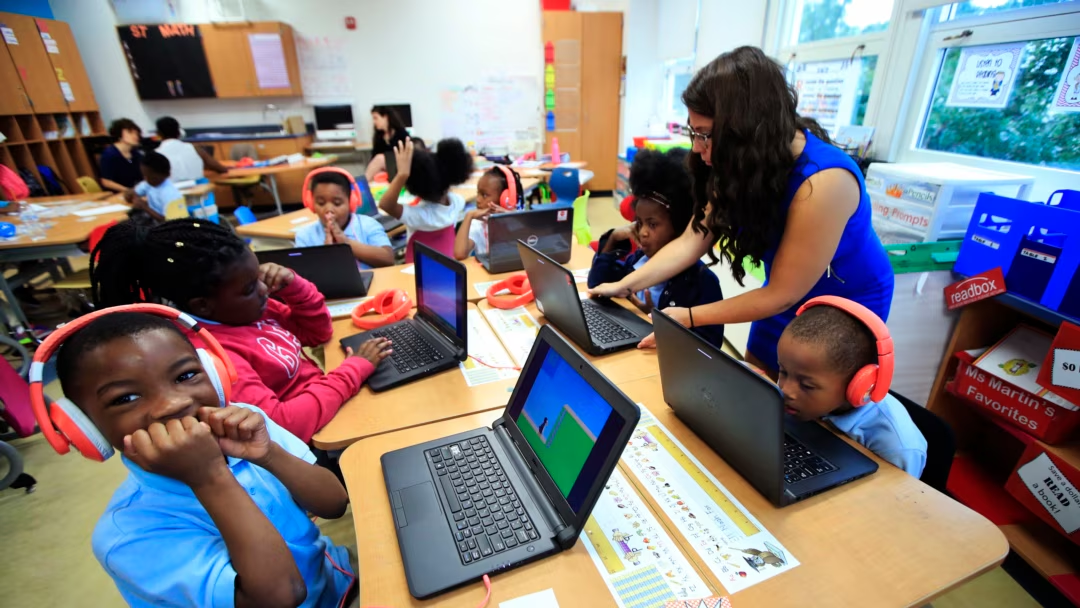
Most days, school happens on screens instead of inside classrooms. Learning tools have grown into something wider than just textbooks or chalkboards. One major piece? Remote lessons through websites or phones are used by countless learners regularly. Sessions often mix recorded videos with short tests, alongside written materials, while real-time chats keep things interactive. That blend tends to tie everything together without feeling scattered.
Most folks bring up classroom tech now and then. Lights come on, screens wake up – suddenly a lesson breathes differently, though words stay unchanged. Motion catches eyes better than still pages, so attention sticks around past the usual slump. Moving images slip through boredom like water through fingers, holding thought without force.
Learning tools adjust to each person’s speed. One size never fits all in classrooms. Fast learners move ahead easily; slower ones get extra drills when needed. These digital helpers watch every answer a child gives, shaping tasks that fit just right. Pressure fades because progress feels natural, not forced.
Benefits of the Scope of Educational Technology in Modern Education
The scope of educational technology offers many benefits for students, teachers, and schools. At first, it makes learning feel more alive and less flat. For example, interactive videos, animations, and even small quizzes keep students interested in lessons for longer stretches of time, not just the usual few minutes.
Communication moves faster these days because of tech. Notes, assignments, and responses travel quickly from teacher to student. At any hour, learners reach out with questions using digital tools. Class may have ended, but the conversation continues online.
Open doors to knowledge stand wider now. Books are no longer the sole path for learners. Instead, screens host vast collections, official studies appear with clicks, and moving images explain ideas. Fresh views grow from these paths, lighting questions once left in shadows.

Challenges in the Scope of Educational Technology
Most schools now use some form of tech, yet hurdles remain. Scope of Educational Technology: In remote regions, weak signals block steady learning paths. Without solid connections, kids drop out mid-lesson too often just when things start clicking. One minute they’re there, the next they’ve vanished, left behind by pace that won’t wait.
Costs pile up when tech gets involved. Not every household finds it easy to pay for computers, online access, or tablet screens. Without these tools nearby, some kids fall behind in schoolwork done through machines. Over time, uneven progress shows more clearly.
Most teachers require proper support when learning new methods. Since tech evolves fast, comfort with high-end tools isn’t universal among instructors. Because of this shift, ongoing workshops help educators stay current. With steady access to guidance, keeping pace becomes manageable rather than overwhelming.
Future Scope of Educational Technology
Bright times ahead for tech in schools- almost thrilling, really a shift toward uncharted territory. When machines start thinking, they shape lessons around how students act, mirroring actual learning moments. Personal touch grows stronger that way; effectiveness climbs too, since content shifts as needed.
Robotics and automation might also show up in classrooms more often. Students could explore science and coding through hands-on robot activities. Those kinds of experiences often build up creativity, and they strengthen practical skills too.
Cloud learning will keep expanding as well. Learners will save notes, assignments, and projects online instead of lugging heavy books around. That approach saves time and makes everything easier to reach from any device, whenever you need it.
Essence
The Scope of Educational Technology is changing education in an, honestly, amazing way. It can make learning feel simple, a bit more flexible, and more interactive than before, and yes, enjoyable too for students of all ages. From smart classrooms to online learning apps, it helps students get knowledge faster and in a more effective manner.
Even if a few challenges still exist, the future of educational technology looks really promising, almost bright. Schools, teachers, parents, and governments need to collaborate to boost access and provide proper training. If it is used wisely, educational technology can help shape better learning experiences for every single child.
FAQs
- What is the scope of Educational Technology?
Educational technology is basically about using digital tools and various tech to make the whole teaching-learning experience more fluent, I guess better overall. It is not just one thing, but kind of a mix of tools.
- What is the scope of educational technology?
The scope is wide, like online learning platforms, smart classrooms, and education apps, as well as virtual reality experiences. Then there are AI learning systems, plus digital communication tools that help keep students connected, even when they are not in the same place.
- Why is educational technology important?
Because it makes learning easier, it can make things faster, more interactive, and more reachable for students everywhere, no matter the location.
- What are the challenges of the scope of educational technology?
Some common problems are poor internet access, the cost of devices, not enough teacher training, and those online distractions that can quietly steal time.
- What is the future of the scope of educational technology?
In the future, you will see AI-powered learning systems, more virtual classrooms, robotics in classrooms, and personalized education systems that basically adapt to each learner’s needs.
Also Read: BRC Full Form in Education Department: The Hidden Power Behind Better Schools