






Understanding the Relationship Between Education and Psychology
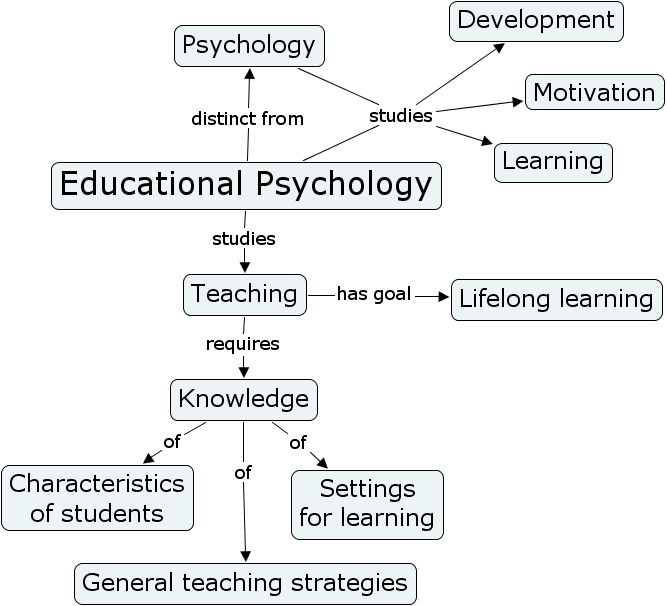
People show deep interest in the strong bond that exists Relationship between education and psychology studies and psychological research. Education exists to provide people with knowledge through structured teaching and learning processes. Psychology studies human cognitive processes, emotional responses, and behavioral patterns that people display in their everyday activities. The two fields work together to help us find the best methods for teaching students. Teachers can improve their teaching skills through their collaborative work with educational resources, which leads to better student outcomes.
Every day, a child demonstrates different learning abilities. The brain exists in two states, which include both active curiosity and a state of mental exhaustion with distraction. Relationship between education and psychology. The brain becomes active for learning during specific times. The field of psychology provides teachers with methods to modify their teaching strategies. The students build their comfort and confidence levels, which help them throughout their educational journey.
How the Human Brain Affects Learning: The Relationship between education and psychology
Educational systems rely on the human brain as their central educational component. The brain functions as the body system that enables people to memorize information, focus their attention, and comprehend concepts. Learning becomes impossible without the brain working properly.
When students focus their attention on their studies, their brains can better memorize the information they learn. The brain prevents learning when students experience stress. People need to create peaceful environments that help them maintain happy thoughts. Through practice, the brain can achieve better memory retention of information.
Why the Relationship between education and psychology Improves Teaching Methods
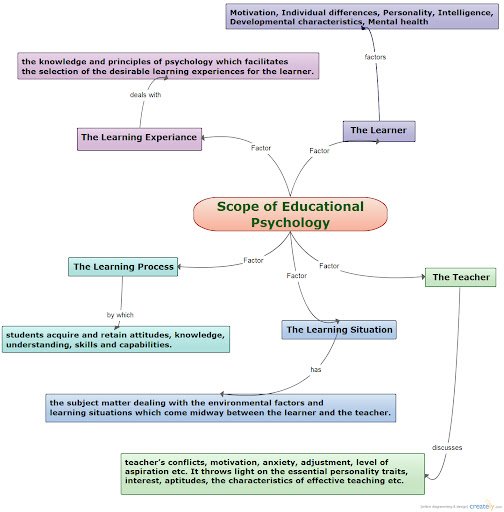
Psychology helps teachers understand students better. Every student has a different learning style. Some learn by seeing, while others learn by doing.
Because of this, teachers use different teaching methods. For example:
- Visual learners prefer images and videos
- Auditory learners prefer listening
- Kinesthetic learners prefer hands-on activities
The Role of Emotions in the Relationship between education and psychology
The connection between education and psychology gets disrupted by emotional influences. A happy mind learns faster. Learning gets delayed through the presence of fear and stress. A student who fears failure will stop studying to avoid failure. The student who feels secure will take risks to ask questions. This behavior shows how emotions determine human actions.
Teachers can create a positive environment by:
- Encouraging questions
- Praising effort
- Reducing pressure
As a result, students feel relaxed and ready to learn. Emotional safety builds stronger learning habits.
Memory and Learning: A Psychological View
The educational field relies on memory as a vital element that connects its two main components, which are education and psychology. The brain’s capacity to store and retrieve information determines how effectively learning occurs. Short-term memory retains information for a brief period. The brain uses long-term memory to keep information for extended time frames. Therefore, teaching methods must move knowledge into long-term memory.
Techniques that help include:
- Repetition
- Practice tests
- Real-life examples
For instance, when students connect lessons to real life, the brain remembers better. This makes learning meaningful and lasting.

How Motivation Drives Learning
The ability to learn depends on motivation as its essential driving force. Students who lack motivation will abandon their studies within a short time. The field of psychology identifies two distinct types of motivation that people experience: intrinsic and extrinsic motivation. The source of intrinsic motivation exists within an individual. The student learns because they find joy in learning. Students need rewards such as grades and praise to develop extrinsic motivation. The two types of motivation hold equal importance. The process of learning becomes more effective through intrinsic motivation. Teachers need to create lessons that students find entertaining and enjoyable.
The Importance of Development Stages
Children acquire knowledge through multiple stages of brain development, which they experience throughout their lives. The field of psychology provides a clear understanding of human development through its established developmental stages. Young children develop their understanding of the world through their play and their activities for discovering new things. Students in advanced grades acquire their ability to think logically through their studies. Teachers face the need to create age-appropriate lesson plans for this reason. Young students find it difficult to understand complex topics which resulted from their academic studies.
Technology and the Brain in the Modern Relationship between education and psychology
The technological present creates new educational links between schools and psychological fields. Learning improves through digital tools when users apply their knowledge correctly. Interactive apps create enjoyable learning experiences. Videos provide fast explanations of challenging subjects. Excessive screen time leads to decreased attention capacity. People need to find the correct balance between their different activities. The proper student guidance by teachers and parents becomes essential for student progress. Technology usage leads to brain learning enhancement when people use it in the right way.
Special Insight: The Brain Loves Curiosity
You will see a one-of-a-kind item in this location. Relationship between education and psychology. The human brain functions best when it experiences curiosity. The brain of students who experience curiosity shows active excitement.
The brain releases chemicals during curiosity, which helps people remember information better. The research shows that students who experience curiosity learn more quickly and retain knowledge for extended periods. The power of questions exists because they provide useful assistance.
Teachers can spark curiosity by:
- Asking open-ended questions
- Creating puzzles
- Encouraging exploration
Denouement
The Relationship between education and psychology understanding to help students achieve their learning objectives. The two disciplines work together to create highly effective educational methods. Teachers who learn about brain functioning improve their teaching skills. Students who learn about their learning methods achieve better academic results. Relationship between education and psychology. The process utilizes emotions together with memory, motivation, and curiosity as essential components. Learning requires more than just reading material. The process involves brain development, which occurs through learning and the formation of new connections. The combination of educational psychology with psychological study allows students to reach their maximum academic potential.
FAQs
- What is the Relationship between education and psychology?
The study shows how people acquire knowledge through their brain functions and teaching techniques, which can enhance learning results.
- Why is the Relationship between education and psychology important in education?
The knowledge helps educators to recognize student behavior patterns and emotional states, and their preferred ways of learning.
- How does the brain affect learning?
The brain manages crucial learning processes through its control of memory function, attention capacity, and comprehension abilities.
- What role do emotions play in education?
Positive emotions support educational progress, whereas stress and fear create obstacles to learning.
- How can students improve learning using psychology?
The students will maintain their curiosity through continuous practice that connects their lessons to real-life situations.
Also Read: Mizoram Education Department: How It Shapes Young Minds Every Day