



Educational systems create important changes through their teaching programs. Different classrooms operate according to their specific teaching methods. The difference between inclusive education and Integrated Education operate according to their specific teaching methods. People become confused because we describe two different educational systems, which use inclusive education and integrated education as their foundation. The words sound similar. Yet, their meaning is very different.
What elements create a distinction between inclusive education and integrated education?
Understanding the Difference Between Inclusive Education and Integrated Education
The first step of our work requires us to understand the basic concept. The two educational approaches of inclusive education and integrated education exist to help students with disabilities; however, they implement their support systems in distinct ways. Integrated education enables students with disabilities to attend standard educational institutions. Inclusive education modifies complete educational systems to meet the requirements of every student. The difference between them shows greater significance than you realize.
What Is Integrated Education?
According to integrated education, students with disabilities should receive their education within general education schools. The students need to learn how to fit into the current educational system. The school maintains its original structure. The child needs to change his behavior to fit the school.
Key Features of Integrated Education
- The child enters a mainstream classroom.
- The setup provides special support but maintains its separate operational mode.
- The primary system functions as it does in its unaltered state.
- The focus stays on “fitting in.”
In simple words, integrated education says, “You can join us, but you must follow our way.”
What Is Inclusive Education?
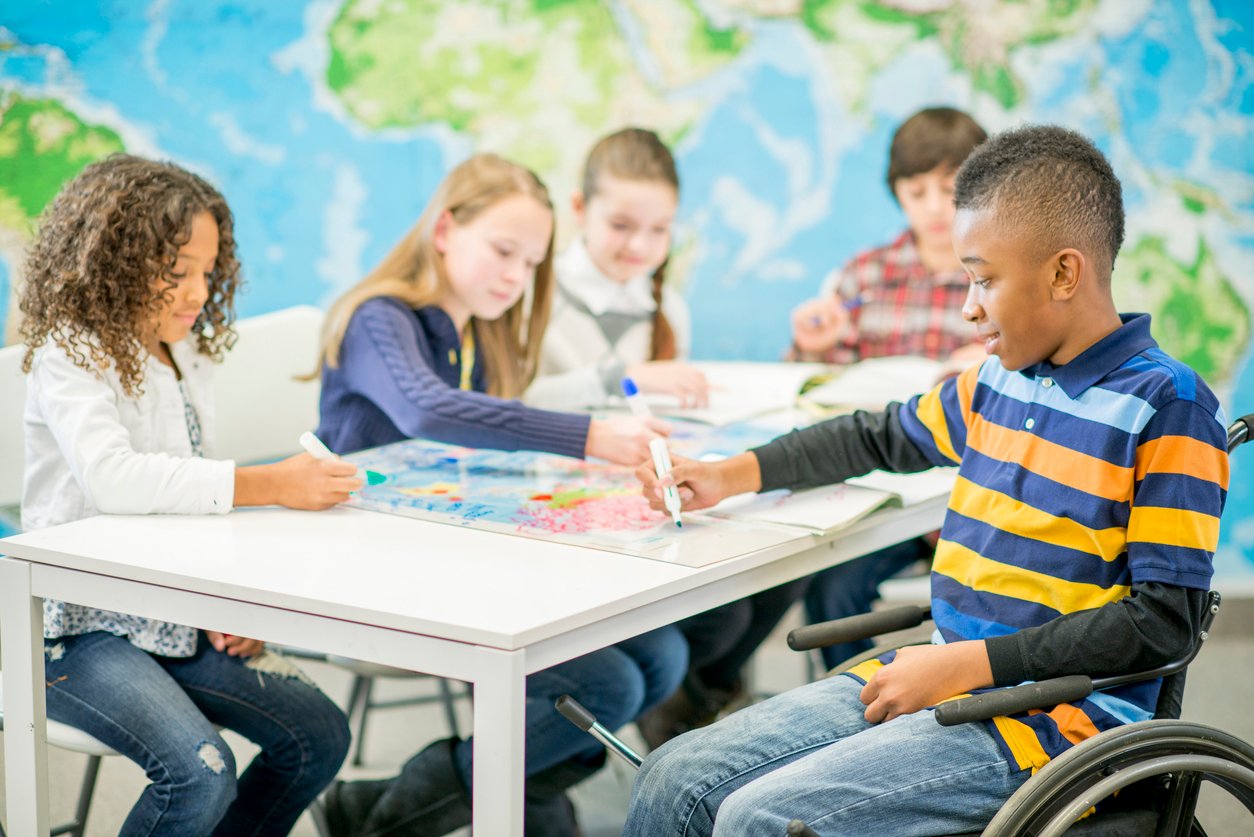
Now let’s look at inclusive education. Inclusive education creates classrooms that accommodate every student’s needs. The school system makes changes to help students who need assistance. This approach values diversity. It believes every student belongs.
Key Features of Inclusive Education
- Students study together as a group.
- Teachers modify their lessons to meet the various needs of their students.
- Classroom support services provide help to students who need assistance.
- The educational system adapts to match the requirements of each student.
Core Difference Between Inclusive Education and Integrated Education
You can see the essential information here. The educational approach of integrated education transforms the student. The educational approach of inclusive education transforms the entire educational system. The development of one particular process creates a significant effect. The child from integrated education experiences social isolation, but the child from inclusive education experiences social acceptance from the beginning.
Philosophy Behind Integrated Education
The development of integrated education started before its established date. The program provided disabled students with access to standard educational institutions. The achievement represented a major advancement for that historical period. The system continued to classify them as “different” from other people. Students received their support services from locations that were not their educational environment. The social connections that students made with their peers were affected because they had to spend time away from their academic environment.
Philosophy Behind Inclusive Education
Human rights movements established inclusive education as a progression. The system advances equality for all people while preserving their human dignity. The UNESCO international framework enables the worldwide implementation of inclusive education. The organization asserts that all children deserve access to excellent educational opportunities. The purpose of inclusive education is to eliminate educational obstacles. The system recognizes human potential by assessing capacity instead of seeing disability as a limitation.
Classroom Environment: Integrated vs Inclusive Education
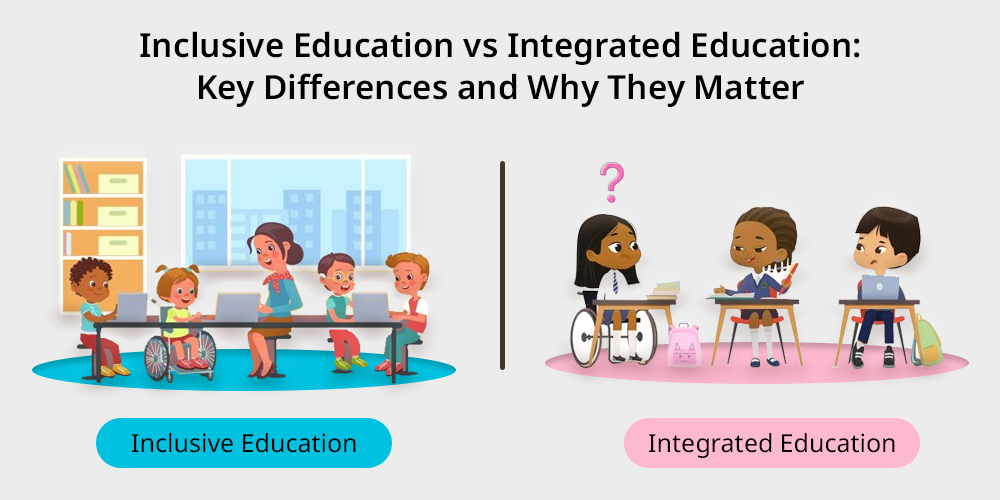
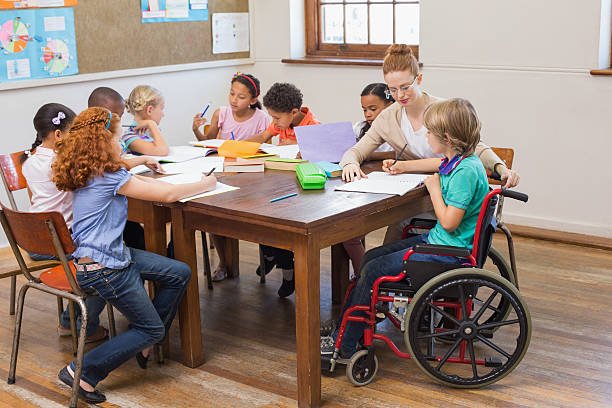
We will create a visual representation of two different learning environments. A student with special needs must study in an integrated education classroom together with typical students. The student will work on different worksheets, which he will use to complete his assignments. Special sessions require them to leave the classroom at certain times. Students in an inclusive education classroom work together with their classmates. Teachers create lessons that students can adapt to their own needs. The activities provide all participants with equal opportunities to join in all the activities. The experience lets people feel like they belong to a party that they can enter through an invitation.
Teacher’s Role in Inclusive Education and Integrated Education
The student body recognizes teachers as their most important authority figure. Teachers have to teach their students according to the established educational requirements of their monitoring organizations. Educational specialists provide support to students who experience academic difficulties. Teachers in inclusive education classrooms apply different teaching methods according to student needs. The students make use of imaginative resources. The teachers use various teaching methods to deliver their educational content. The student body functions as guides, while their presence stops people from entering through restricted areas.
Social Impact of Inclusive Education and Integrated Education
The academic development of students has the same value as their social development. The practice of combined educational delivery creates hidden obstaclesthath result in two distinct learning spaces. Children may share a classroom space yet experience social disconnection. The inclusive educational model enables students to build social bonds with their fellow students. The program teaches students to identify human differences, which leads to their development of empathetic understanding. The educational system creates more compassionate learning environments through its implementation.
Emotional Experience: A Child’s Perspective
The student who studies through various methods needs to create mental pictures of their learning journey. Your belief about integrated education requires you to make more effort to achieve equality with others. The educational system values you as an authentic person, which gives you worth in inclusive education. The emotional transition process establishes confidencethroughy its development. The future development process depends on confidence as its fundamental element.
Benefits of Inclusive Education Over Integrated Education
Although both systems aim to help, inclusive education offers wider benefits.
- It improves social skills.
- It builds acceptance.
- It increases participation.
- It reduces discrimination.
Furthermore, research shows that diverse classrooms improve learning for everyone.
Challenges in Integrated Education and Inclusive Education
All systems encounter difficulties. The system lacks the needed resources for its operation. The system requires specialized spaces to function properly. The system needs teacher training to implement its inclusive educational approach. The system requires collaborative work and strategic design for its execution. The implementation of inclusive education will succeed through dedicated work.
Why the Difference Between Inclusive Education and Integrated Education Matters Today
Society today considers equality to be an important value. Modern educational values show better alignment with inclusive education than they do with traditional educational practices. Educational institutions and government bodies establish inclusion policies because they recognize that educational approaches must match the learning requirements of each student. The worldwide policy choices about education stem from the distinct characteristics that separate inclusive education from integrated education programs.
Real-World Example of the Difference Between Inclusive Education and Integrated Education
Progressive schools teach students through group learning methods that teachers use. Students work in mixed-ability teams. For example, a child who has writing difficulties will show drawing talent. The class values that strength. The situation demonstrates how schools implement their inclusive educational policies.
Expert Insight on the Difference Between Inclusive Education and Integrated Education
The experts who work in educational research claim that school systems need to include all students as part of their ongoing development. Educational psychologists explain that belonging improves brain development. When children feel safe, they learn better. The emotional and cognitive development of students benefits from inclusive educational practices.
Future of the Difference Between Inclusive Education and Integrated Education
Future trends point toward more inclusive environments. Technology now supports different learning styles. Digital tools adjust content levels. The implementation of inclusive education benefits from this development. Integrated education created educational opportunities through its doors, while inclusive education establishes an inviting atmosphere for all students.
Denouement
The difference between inclusive education and integrated education is simple yet powerful. Integrated education requires the child to enter the educational system. The educational system transforms to meet the specific needs of the child through inclusive education. The first approach requires the child to change their behavior. The second approach recognizes and values all forms of diversity. The purpose of inclusive education is to establish three essential elements, which are confidence, equality, and belonging. The program trains children to handle situations that they will encounter throughout their lives in all different types of environments. Educational systems should not compel students to conform to established standards but rather empower them to demonstrate their individual strengths.
(FAQs)
- What is the main difference between inclusive education and integrated education?
The primary difference between integrated education and inclusive education exists because integrated education requires students to adapt to educational systems, while inclusive education requires educational systems to adapt to student needs.
- Is inclusive education better than integrated educational systems?
Experts who study educational systems believe that inclusive education functions better because it creates equal opportunities, which enable all students to experience a sense of belonging to their learning environment.
- Can integrated educational systems create pathways toward inclusive educational systems?
Integrated education functions as a transitional stage that helps schools progress toward establishing complete inclusive educational systems.
- Why is inclusive education important today?
Modern society requires inclusive education because it protects human rights while promoting diverse cultural expressions and maintaining emotional health.
- Do teachers need special training for inclusive education?
Yes. Teachers gain from training, which enables them to effectively teach students who have various learning requirements.
Also Read: Indian Research Journal of Extension Education: A Powerful Platform