



The education sector has undergone a dramatic transformation over the last decade. From traditional classrooms to digital platforms, the journey has been fast, dynamic, and full of innovation. Today, we are stepping into a new era defined by Education Portal 3.0, a concept that promises to reshape online learning through intelligent technologies, personalized pathways, and highly engaging digital ecosystems. This evolution goes far beyond simply hosting learning material on a website; it represents a holistic and adaptive learning environment designed for the modern learner.
What Is Education Portal 3.0?
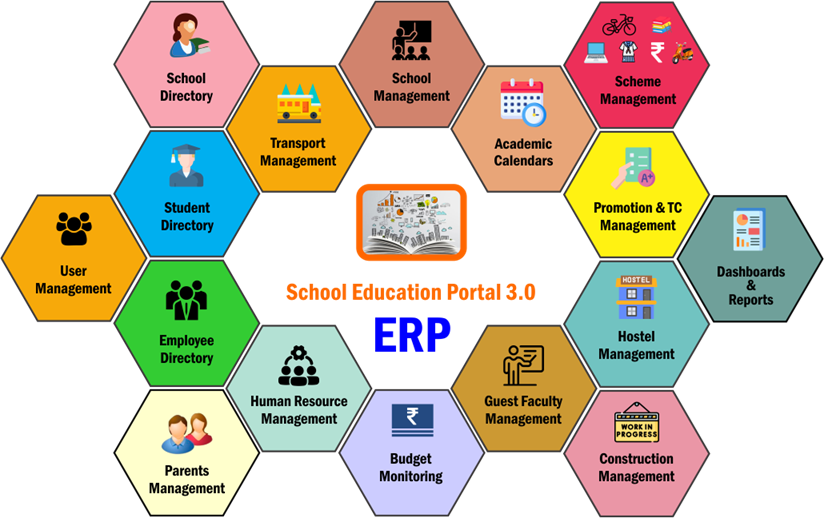
Education Portal 3.0 can be described as the next major upgrade in online education technology. If Education Portal 1.0 focused on simple content delivery and 2.0 introduced interactive tools and video-based learning, then 3.0 takes a leap forward with advanced capabilities like AI-driven personalization, immersive learning experiences, gamified modules, and real-time analytics. The idea is to create a platform that understands the learner, adapts according to their needs, and delivers a world-class learning experience regardless of geographical boundaries.
In simpler terms, Education Portal 3.0 is like having a smart learning assistant, a virtual classroom, a digital library, and a career mentor—all integrated into one user-friendly platform.
Key Features of Education Portal 3.0
1. Personalized Learning Paths
One of the biggest strengths of Education Portal 3.0 is its ability to tailor learning experiences uniquely for each student. Using data-driven insights, the platform identifies the learner’s pace, interests, strengths, and challenges. Based on this information, it suggests courses, adjusts difficulty levels, and even provides custom practice tests. This personal touch helps students stay motivated and improves their learning outcomes significantly.
2. Immersive and Interactive Content
Gone are the days when students had to rely only on plain text or recorded lectures. The Portal 3.0 era introduces immersive technologies like virtual reality (VR), augmented reality (AR), 3D simulations, and scenario-based learning. These tools make complex subjects easier to understand and offer a more engaging experience. For example, a biology student can explore a virtual human body, and an engineering student can practice in a 3D simulation lab.
3. Smart Assessment and Instant Feedback
Another highlight of Education Portal 3.0 is its advanced assessment system. Instead of waiting for manual evaluation, students receive instant feedback on quizzes, assignments, or practice tests. The portal also provides detailed performance analytics that help learners understand their progress, identify weak areas, and take corrective action. This immediate support boosts confidence and ensures continuous improvement.
4. Gamification for Enhanced Engagement
Gamified learning elements—such as badges, leaderboards, challenges, and rewards—play a crucial role in keeping students engaged. Education Portal 3.0 makes learning enjoyable by turning lessons into interactive missions. This approach not only increases participation but also improves retention, making education feel less like a task and more like an adventure.
5. Seamless Collaboration and Communication
The latest generation of education portals emphasizes community learning. Students can participate in discussion forums, live chats, and group projects with peers from different parts of the world. Teachers also benefit by accessing modern teaching tools, scheduling live classes, and interacting with students in real time. This global connectivity enhances knowledge sharing and widens the learning horizon.
6. Career Development and Skill Mapping
Education Portal 3.0 is not just about academic learning; it focuses on career growth as well. These platforms integrate tools for skill-gap analysis, resume building, job recommendations, and industry certification pathways. Students can understand market trends, explore career options, and develop skills that match current industry requirements.
How Education Portal 3.0 Benefits Students and Educators
For Students:
-
Learning becomes flexible and accessible from anywhere.
-
Personalized content improves academic performance.
-
Immersive tools make difficult subjects easier to understand.
-
Gamification keeps them motivated and involved.
-
Smart analytics help learners track and improve their progress.
For Educators:
-
Simplified course creation and content management.
-
Automated evaluation saves time and reduces manual effort.
-
Data-driven insights help teachers understand student needs.
-
Improved communication tools strengthen teacher-student relationships.
-
Ability to reach a larger, global audience.
The Role of Technology in Shaping Education Portal 3.0
Technologies such as artificial intelligence, cloud computing, blockchain, VR/AR, and big data analytics are at the heart of this innovation. AI ensures personalization, cloud systems guarantee scalability, blockchain secures certificates, and immersive tools make learning interactive and practical. Together, they create a seamless digital environment capable of supporting millions of learners at once.
Why Education Portal 3.0 Is the Future
As the world becomes more digital, the demand for flexible and skill-based learning continues to rise. Education Portal 3.0 answers this need with its intelligent structure, learner-first approach, and future-ready features. Whether someone is a school student, a college learner, or a working professional, this new generation of portals can transform the way they grow academically and professionally.