






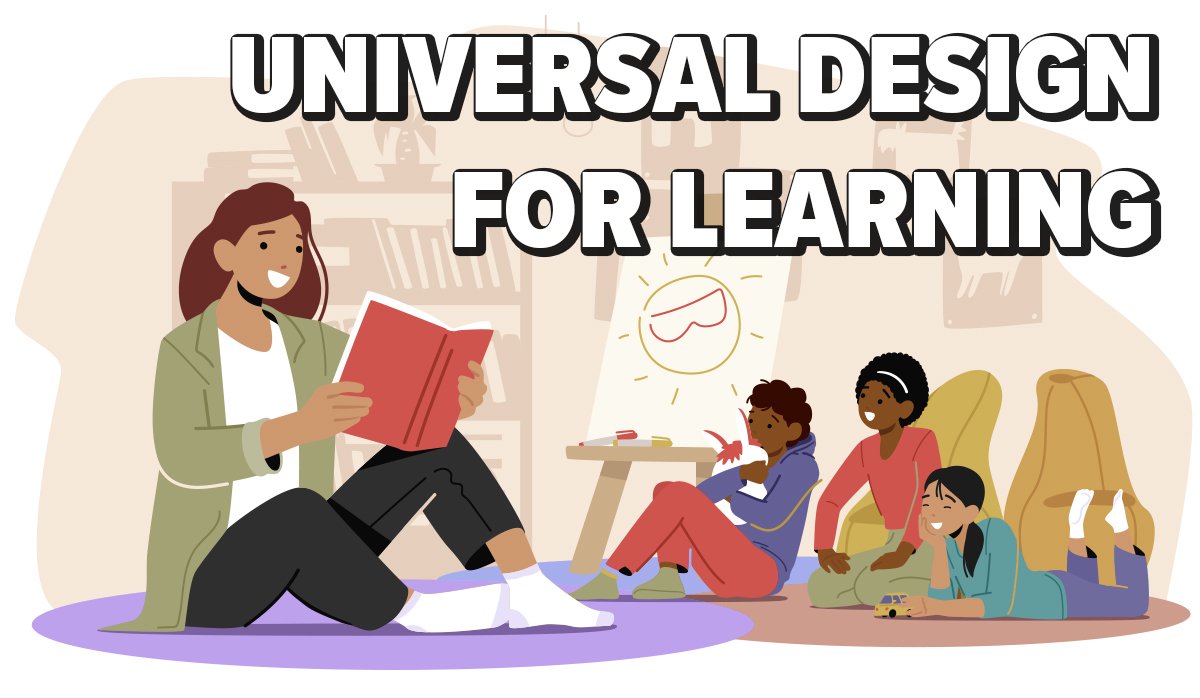
Education must create opportunities through doorways that students can use to enter their learning space. Yet, many students still feel left out. This is exactly where the Universal Design of Learning steps in. The Universal Design of Learning UDL serves as an effective educational framework that enables all students to achieve academic success. Not just some. Not just the fastest. Everyone.
What Is the Universal Design of Learning (UDL)?
The Universal Design of Learning serves as an effective framework for lesson creation. It creates lesson plans that handle all possible student learning differences. UDL establishes its flexibility features through its initial design process. People can choose their preferred difficulty level from three available options, which are easy, medium, and hard. The game stays fun for everyone. Universal Design of Learning enables students to learn through multiple methods while demonstrating their knowledge and maintaining their interest in learning.
Why the Universal Design of Learning Matters Today
Students in modern classrooms experience the most diverse educational environment. Students learn in many different ways. Some students enjoy reading books. Students who prefer watching videos make up another group. The third group learns best through hands-on activities.
One teaching style has become ineffective for educational institutions. The UDL system exists to protect the different ways students process information. The system provides stress relief to users. The system enables students to develop their self-assurance.

The Brain Science Behind Universal Design of Learning
Universal Design of Learning derives its principles from the functioning of human brain mechanisms.
The brain has three primary systems for learning:
- Recognition networks – our process of receiving information
- Strategic networks – our methods of demonstrating knowledge through learning activities
- Affective networks – our process of maintaining motivation
UDL supports all three. Students experience learning as their natural state because the system prevents forced academic progress.
The Three Core Principles of Universal Design of Learning
- Multiple Means of Representation in UDL
This principle answers one question: How do students get information? UDL standardized teaching methods through multiple content delivery methods. For example, they may use text, audio, pictures, and videos. The result of this approach leads to improved student comprehension.
- Multiple Means of Action and Expression in UDL
This principle establishes the methods through which students display their acquired knowledge. Some students write essays. Students create posters, while others present their work. All of these activities receive approval from Universal Design of Learning. Therefore, students can use their strengths.
- Multiple Means of Engagement in UDL
The content concerns two elements, which are interest and motivational factors. UDL gives choices. Students may choose topics they like. Students have the choice between working independently or collaborating with others. The result creates an exciting learning experience.
Universal Design of Learning vs Traditional Teaching
The standard educational system uses a single teaching method. All students must hear the material. All students must write notes. All students must complete tests using the same methods.
Universal Design of Learning centers on multiple learning routes. The system operates through different designs that allow learners to study. The system design leads to better student progress because it helps students who need extra support.
How UDL Helps All Students
UDL and Students with Disabilities
The Universal Design Learning framework establishes educational access points from its initial implementation. Students do not need special fixes later. The result establishes equal learning opportunities for all students.
UDL and Gifted Learners
Gifted students also benefit. UDL provides students with access to advanced learning activities. The students maintain their focus on their work.
UDL and Everyday Learners
The majority of students perform at an average level. Universal Design of Learning supports them, too. The system creates a more straightforward and understandable learning experience.

Universal Design of Learning in Real Classrooms
A science class shows a teacher using a video to explain,n while students read a short text to create a model or record a voice note. The demonstration shows how Universal Design of Learning works. The teaching method produces a learning experience that is flexible, nd enjoyable, and centered on human needs.
How Teachers Can Start Using UDL
Teachers do not need to change everything overnight. Small steps work best.
For example:
- Offer choices
- Use visuals
- Break lessons into chunks
Over time, Universal Design of Learning becomes a habit.
Universal Design of Learning and Technology
The implementation of technology improves the process of UDL deployment. Students can utilize audiobooks and captions, and learning applications to study according to their individual preferences. The UDL system requires more than just technological devices to operate. The main focus of the UDL system requires designers to create educational materials through purposeful design work.
Common Myths About UDL
Some people believe that UDL reduces educational requirements. The statement is incorrect. Universal Design of Learning maintains high educational standards. The system only changes the method of achieving goals. People believe that UDL exists only to assist special education students. The program provides benefits to all students who need support.
Why UDL Is the Future of Education
The world is experiencing rapid transformation. Job positions require three essential skills, which include creativity and decision-making abilities, and problem-solving competencies. Universal Design of Learning prepares students for that future. The program teaches learning methods while providing specific knowledge that students must acquire.
What Makes UDL Truly Special
The human brain performs its magical functions. The UDL framework recognizes emotional states of users. Students create a safe space that enables their brains to function at their best. The brain retains learned information because of this. This particular element provides essential value for the process.
Conclusion
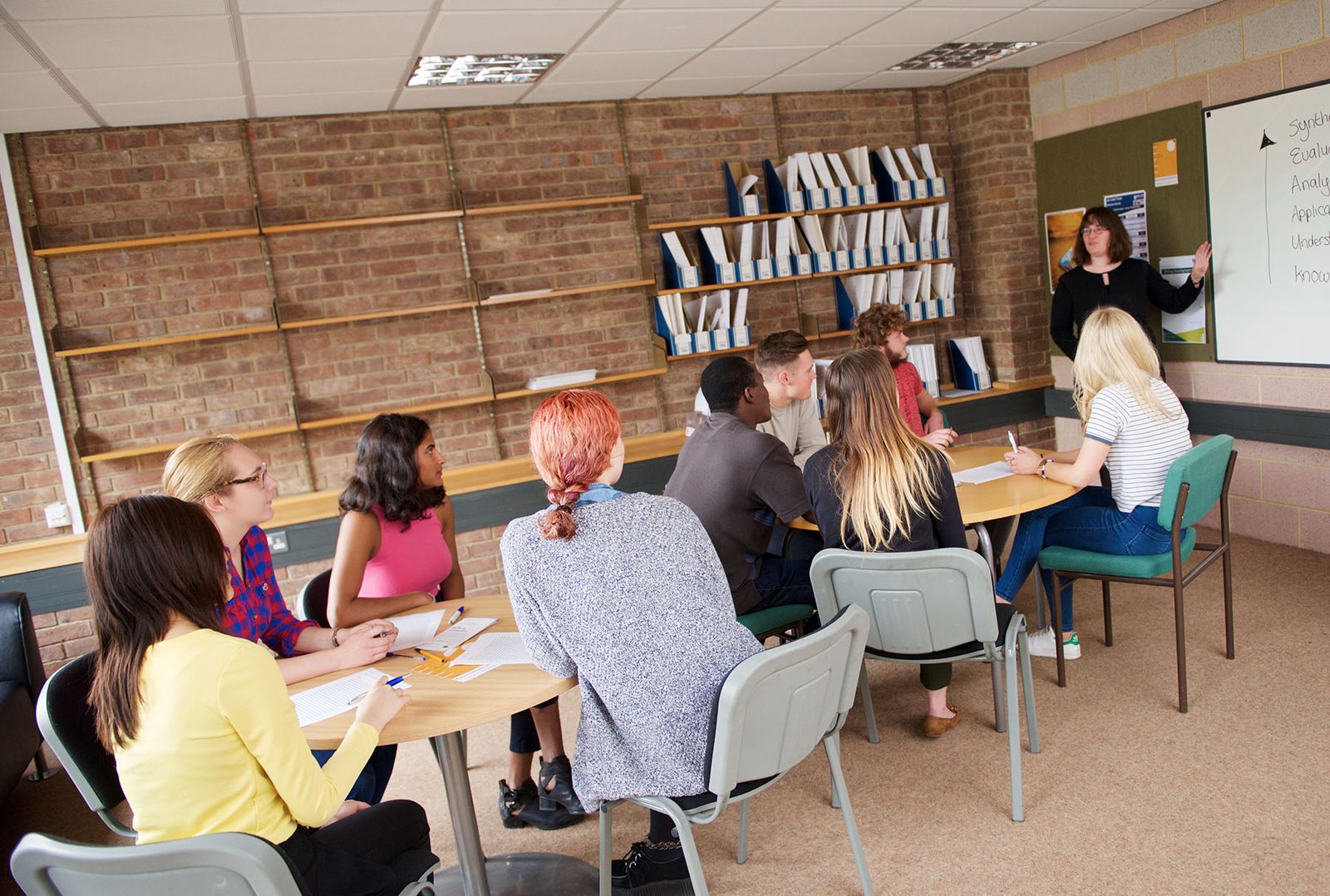
The UDL exists as a permanent educational framework that develops into a continuous educational framework. The framework establishes its core value, which states that all human brains hold equal importance. The educational system creates its learning environment through a combination of scientific principles and compassionate practices.
Students in classrooms that implement Universal Design of Learning no longer ask, “Am I smart enough?” Instead, they shift their inquiry to “How can I learn this best?”
FAQs
- What is UDL in simple words?
Universal Design of Learning is a way to teach that works for all learners by offering choices. - Why is UDL important?
It helps students learn in ways that match their brains and strengths. - Is UDL only for special education?
No. Universal Design of Learning benefits every student. - Can Universal Design of Learning be used without technology?
Yes. UDL works with simple tools and smart planning. - How does Universal Design of Learning help motivation?
It gives choice and relevance, which keeps students interested.
Also Read: NEET MDS 2026 Exam Date: Key Updates & What You Must Know