




What Is Naturalism in Education?
Naturalism in education is the idea that one learns best through nature and one’s surroundings, real-life exploration, and free observation. Rather than just facts, naturalism in education encourages asking questions, observing, and finding the answers on your own.
Traditional classrooms focus on rules, schedules, and tests, while naturalism promotes each individual’s capabilities and encourages them to find their own way of learning and to enjoy it.
The Origin of Naturalism in Education
This concept of naturalism in education grew quite famous, thanks to the Philosopher Jean-Jacques Rousseau. He thought that children’s nature is pure and that everything around us is a school of learning. So, children grow naturally and learn in a more natural setup, not a classroom setup.
Rousseau believed that children were in need of being educated according to their nature, and they could best learn by their natural openness to the world and their ability to face and learn from natural phenomena, through things as simple as playing with water or sand.
So, as a result of Rousseau’s principles, we can see how lots of teaching methods are still kept under the umbrella of Naturalism in Education.
Key Principles of Naturalism in Education
There are a few cornerstone ideas when it comes to naturalistic education, and once you see them, they seem pretty self-evident. First, the child should be the focus of the educational experience, not the teacher. What you’re teaching should be centered on the child, their needs, interests, and abilities.
Second, you should be learning from experience rather than just instruction. It seems so basic, but kids tend to learn much more effectively when they can see, touch, and explore.
Third, freedom. Let the children make choices and then learn from the outcomes; however, simple as that sounds, it requires a whole new approach to the classroom.
The Role of the Teacher in Naturalism in Education
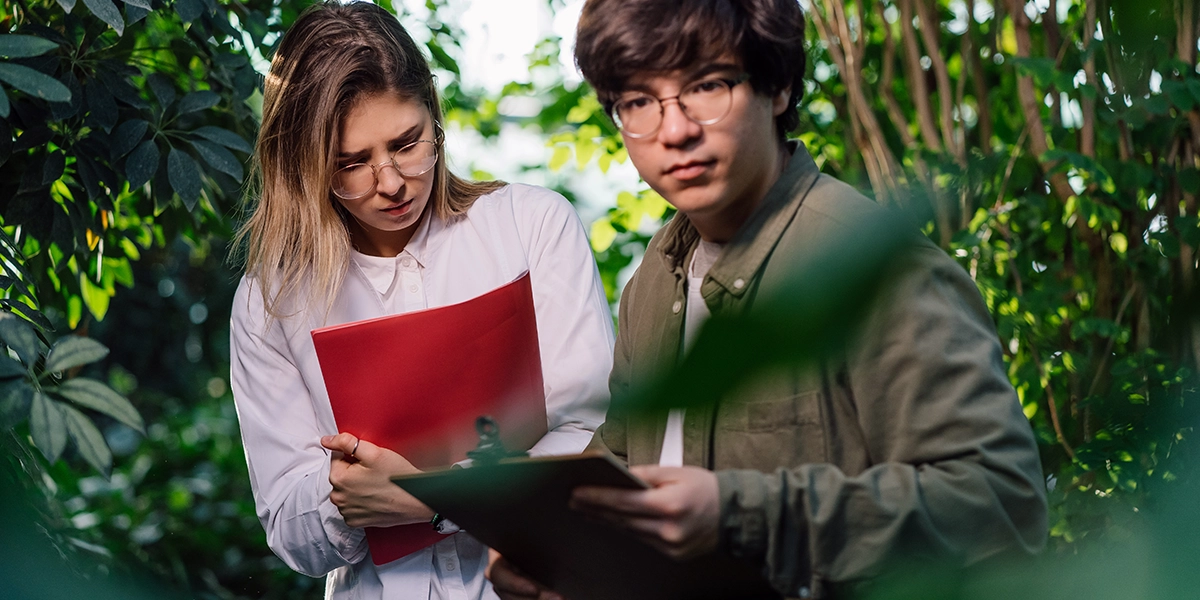
In naturalism in education, the teacher has more of a guiding role than a commanding role. They don’t just stand there delivering info all day; it’s more like shaping a certain atmosphere and letting learning happen from there, sorta. So rather than only teaching students, the teacher makes little moments that draw discovery in, and also helps learning take root and keep growing.
For instance, a science teacher could take students outside to observe plants, instead of only reading from a textbook. Then, when the students wander around and really look, they start asking questions, and their understanding forms on its own, kind of naturally, like almost organically.
Because of this kind of working, students become active participants in learning. They don’t rely entirely on the teacher for answers; they build curiosity and confidence, bit by bit, without even realizing it too much at first.
The Importance of Nature in Naturalism in Education
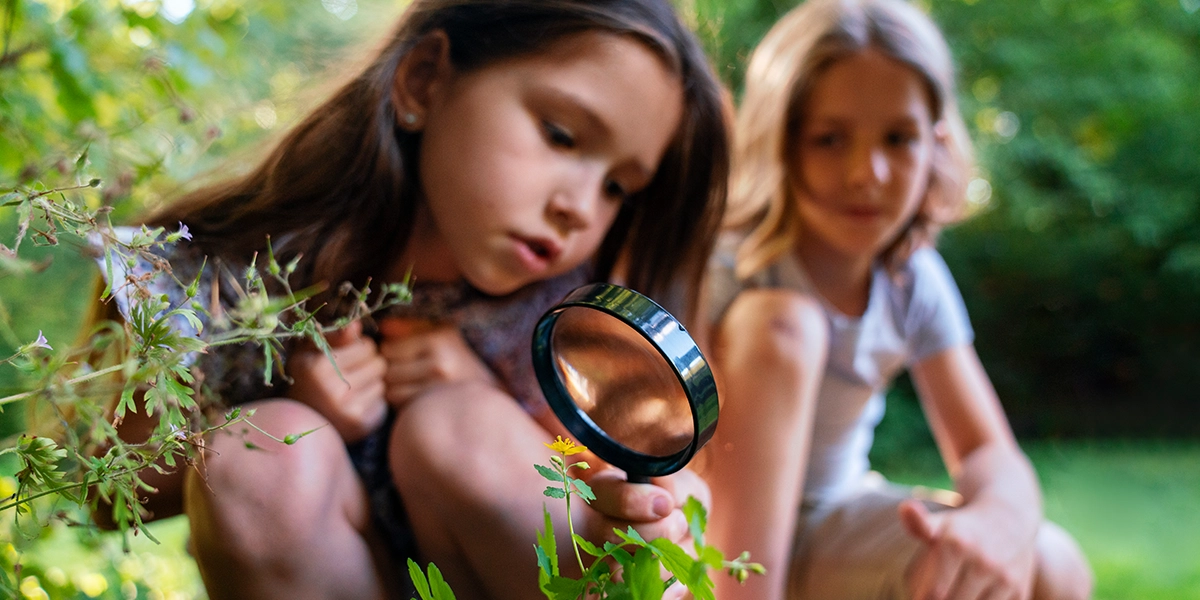
Nature kind of has that main role in naturalism education, and I mean, it does matter quite a bit. Kids can take in useful lessons while they are actually interacting with the natural world, not only staring at it. Like, a stroll through a park can quietly slip in science, observation, and real environmental awareness too, even if they don’t label it that way. A garden can also teach responsibility, patience, and growth, step by step. Honestly, sometimes even the most ordinary outdoor activities turn into surprisingly strong learning moments, and you don’t notice until later.
Also, nature helps in reducing stress and boosting concentration. So as a consequence, students often feel happier, more involved when they learn outdoors instead of the usual classroom setting. And yeah, there’s this quiet kind of effect that’s hard to ignore.
Advantages of Naturalism in Education
Naturalism in education seems to give a whole bunch of benefits for students, as it really helps them in multiple ways. For one thing, it pushes independent thinking a bit more, and students learn how to track down answers instead of just repeating information. Also, it boosts creativity. Because children go exploring and experiment a lot, they tend to form original ideas, sort of naturally. Another upside is that learning feels more enjoyable, since they tend to discover new things better through hands-on experiences, more or less right away. And yeah, there’s also the stronger problem-solving skills part, where students meet real situations and figure out how to manage challenges.
Challenges of Naturalism in Education
Even though naturalism in education has quite a few strengths, it still runs into some issues, you know. For example, some topics just need a more structured form of teaching. So, total freedom doesn’t really fit every learning scene, at least not all the time. Also, large classrooms can make individualized learning very hard to manage. Teachers end up juggling, and it’s tough to offer the right guidance for every learner. Then again, schools usually stick to fixed curricula and exam-based systems. These demands can end up restricting the kind of flexibility that naturalism in education is supposed to encourage; overall, it can feel a bit constrained.
Naturalism in Education in the Modern World
Today, naturalism in education keeps having some impact on schools across the world, and honestly, it looks like it kind of seeps into everything. Things like project-based learning, outdoor education, hands-on learning, and student-centered teaching all show naturalistic themes, even if people don’t always name them.
Technology has changed education a lot, though the core principles are still pretty relevant. Children still learn well through exploration, through experience, and because they are curious about what is going on.
Many successful schools now mix classroom lessons with practical tasks. This sort of balanced way helps learners collect knowledge AND also pick up real-world capabilities, rather than only memorizing stuff.
As schooling keeps evolving, naturalism in education stays as an important philosophy, which nudges us toward a simple truth. Children learn best when learning feels natural, not forced.

Synopsis
Naturalism in education is kind of more than a simple teaching method; it is really a belief that every child has natural potential just waiting to grow on its own. If you give space, for example, to freedom and curiosity, plus let kids work with real-life experiences, then naturalism in education helps children turn into confident learners and also more thoughtful people.
Instead of seeing students as empty vessels to be filled with facts, naturalism looks at them as active explorers. This way of doing things often helps you gain deeper insight and knowledge that just stays put, you know. There might be a few bumps in the road here and there, but the benefits of naturalism in education keep popping up, and they keep on pushing teachers across the world, too.
Also Read: Madan Mohan Rao Education: The Inspiring Learning Journey Behind a Brilliant Mind