





What Makes a Bachelor of Vocational Education So Powerful?
A Bachelor of Vocational Education is not exactly a normal college degree. It teaches real job skills with the classroom learning that comes alongside it. Students do not just read books or pages forever. Instead, they learn by doing practical work every day. So yeah, that’s why many students now choose this more modern degree, because it feels grounded, not just academic.
Now employers seek hands-on talent, not just those good at discussing ideas. Solving issues fast matters more than ever. Knowing your way around equipment, tech, programs, or company workflows gives you an edge. Because of this change, the Bachelor of Vocational Education has stood out lately.
This course puts a strong focus on career growth from the first year. Students pick up skills for industries like healthcare, tourism, retail, agriculture, IT, fashion, banking, and media. As a result, graduates often land jobs faster than students who have studied only theory-based subjects and have no hands-on experience.
Many students feel confused after school. They ask things like “Which course will actually give me a good job?” That’s where vocational education works like a flashlight in a dark room. It gives clear direction, confidence, and practical know-how at the same time.
Why Bachelor of Vocational Education Is Different From Traditional Degrees
Traditional degrees are mostly about theory, like you know, the ideas part. Students often end up memorizing facts just to get through exams. But a Bachelor of Vocational Education kind of flips the whole thing around, because it trains practical skills that industries really use, not only ones you talk about.
Reading up on how to swim without ever jumping in water? That seems strange, doesn’t it? Still, something close plays out across many standard college courses. Words fill notebooks, theories get memorized, yet real doing stays missing. Step into career-focused training, though suddenly hands move, tools turn, work happens.
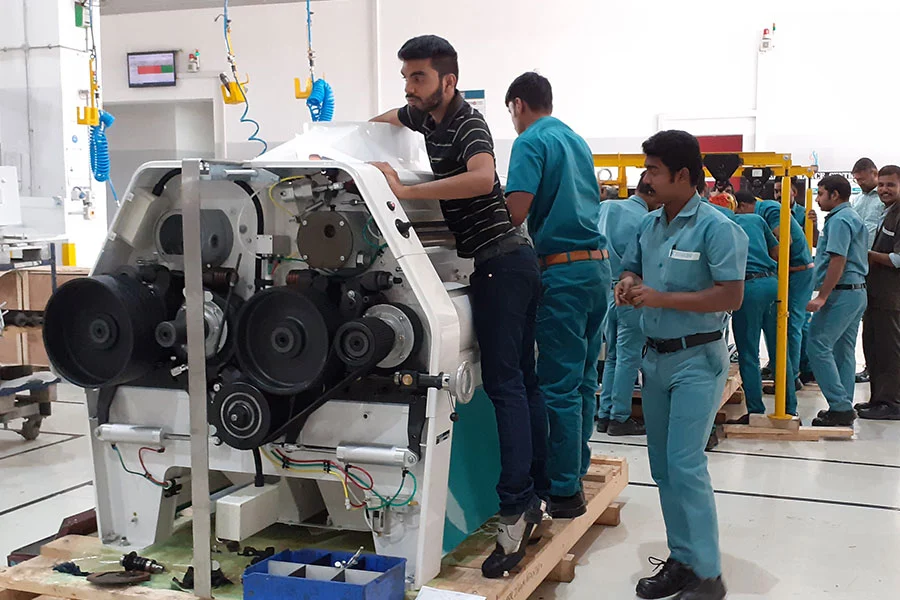
A person training in IT could code real websites, set up networks, or join active software work. In the same way, those learning healthcare may start hospital shifts right within their course. Doing things firsthand makes confidence grow quicker and also sharpens how problems are solved.

Here is a simple comparison:
| Feature | Traditional Degree | Bachelor of Vocational Education |
| Focus | Theory | Practical Skills |
| Industry Training | Limited | Strong |
| Job Readiness | Moderate | High |
| Internship Options | Few | Many |
| Skill Development | Slow | Fast |
Another major perk is industry partnerships; lots of colleges work side by side with companies. So students end up picking up refreshed skills that line up with what the market actually wants right now.
Right now, companies often pick candidates ready to start fast. Because of this reality, those finishing trade programs walk into job talks ahead. Inside work settings, they get how things run, sharing space with others, joining group efforts, handling real duties each day- something deeper than most assume.
Top Career Opportunities After a Bachelor of Vocational Education
A Bachelor of Vocational Education kind of opens a lot of career doors. Students can step into private firms, new startups, government sectors, or, if they want, they can also start their own business. The nicest part is that vocational graduates are trained directly for the real industries. So they fit easily into many job roles. A bunch of employers these days value practical capability more than grades only.
Some popular career areas include:
- Information Technology
- Digital Marketing
- Healthcare Support
- Banking and Finance
- Tourism and Hospitality
- Retail Management
- Fashion Design
- Agricultural Technology
- Media and Animation
A student trained in digital marketing could run social media efforts while crafting posts and checking website visits. Those studying hospitality often find work in hotels, airlines, or tour firms, too.
Starting a business can be a solid path. Many learners grab real-world abilities and then launch their own ventures. Some go on to run coffee spots, fashion lines, fix-it hubs, or digital storefronts. Over time, they stop looking for work and start offering it.
How the Bachelor of Vocational Education Builds Real-Life Confidence
Confidence doesn’t really come just from memorizing a bunch of notes, not at all. It kind of builds through doing, practice, even the mistakes, and then the slow improvement. And that’s pretty much what a Bachelor of Vocational Education provides, honestly.
In this program, students are assigned projects, they join workshops, and they solve actual real-world issues. So, with that kind of exposure, they feel more at ease in professional settings. They also figure out how to talk with teams and how to carry responsibilities properly.
The course quietly trains discipline as well as adaptability. A lot of the time, students are working under deadlines during internships or training sessions. Because of that, they start to understand how workplaces really function, not some imaginary version.
Many students still worry about interviews. But vocational training tends to lower that fear. Since they’ve already had hands-on exposure, they can respond with more confidence and present their skills in a clear way.
Essence
One way to look at the Bachelor of Vocational Education? It shifts how learning fits into what comes next. Mixing hands-on ability with workplace insight creates something sharper than old-style courses. Learning here skips heavy books without purpose. Real tasks shape understanding – knowledge gets used, not just repeated. The classroom feels more like where work begins.
These days, companies want people who can do the job and believe in what they’re doing. That shift has pushed trade training into the spotlight like never before. Getting real practice on site shapes how learners express themselves while adapting to roles that evolve fast.
Here’s another thing – the program builds creative thinking along with personal insight. Shaping your own career becomes possible, starting a venture might happen, and even further education remains an open door. What really matters? The quiet strength growing inside, turning outside challenges into something manageable.
FAQs
- What is a Bachelor of Vocational Education?
A Bachelor of Vocational Education is basically a skill-based degree program; it kind of blends classroom learning with hands-on practice, so it feels less “just theory” and more usable.
- Is a Bachelor of Vocational Education good for jobs?
Yes, in most cases. Since the curriculum leans heavily toward industry skills, learners usually become job-ready a bit faster than expected.
- Which industries hire vocational graduates?
You’ll see hiring in areas like IT, healthcare, retail, tourism, banking, fashion, and media. And yes, these sectors tend to like practical competence.
- Can I pursue higher studies after this degree?
Absolutely. Many students go on to MBA programs, take certifications, or choose other advanced studies, depending on what they want next.
- Why is vocational education becoming popular?
Because companies are increasingly choosing skilled candidates who bring practical know-how, not only textbook knowledge. So, vocational education is growing more and more popular.
Also Read: CEC Full Form in Education: The Smart Stream That Builds Bright Careers